Answers from the Knitting Floor
How to choose yarn, why sweaters pill, how to care for them after washing, and how to plan a small order — answers straight from the factory floor.
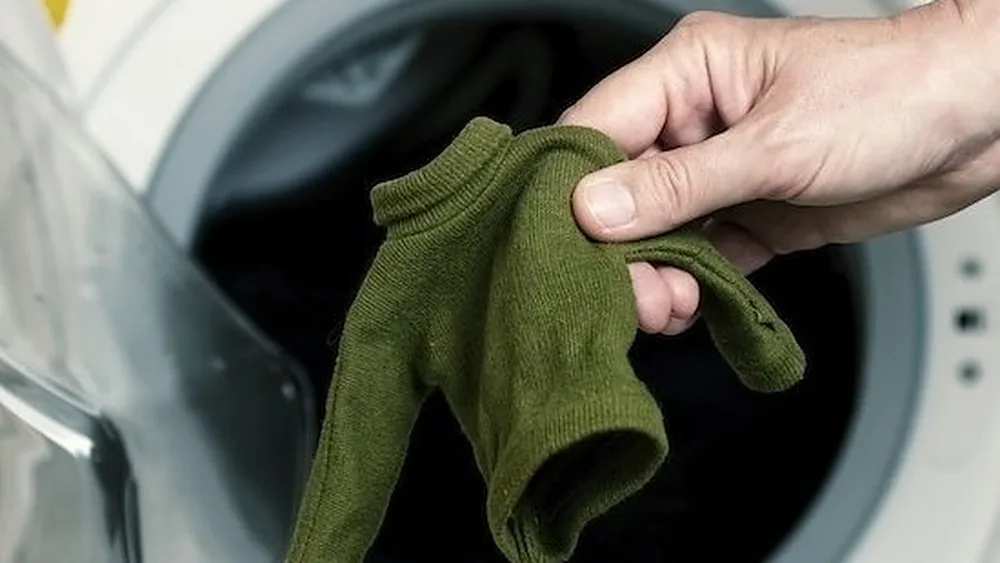
Shrunk or Stretched? How to Rescue a Knitted Sweater
Unless the wool is fully felted, most water shrinkage and hanger stretch can be physically reversed — two rescue methods plus prevention.
Read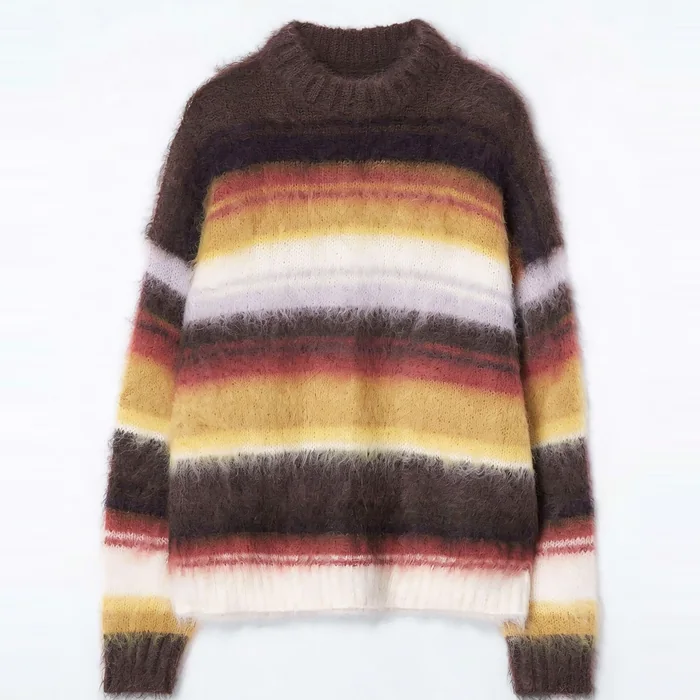
Shedding, Itchiness and Static: Common Sweater Questions
Shedding, prickle and static are not simply “cheap yarn” problems. What causes each one, which fibres to specify, and what the factory can do in washing and finishing.
Read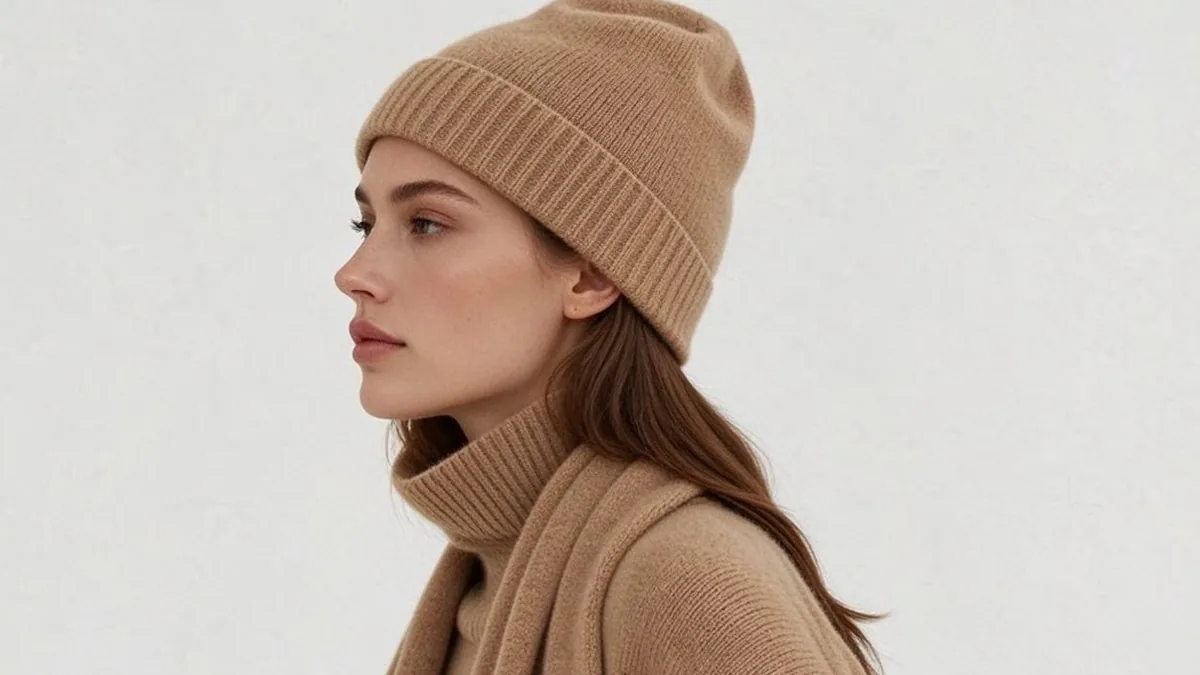
Knit Accessories Buying Guide: Raising AOV with Matching Hats, Scarves and Gloves
Same yarn, three extra SKUs. How matching accessories lift average order value, use up [leftover dyed yarn](/blog/knitwear-moq-explained), and which gauges and fibres keep them soft enough to wear.
Read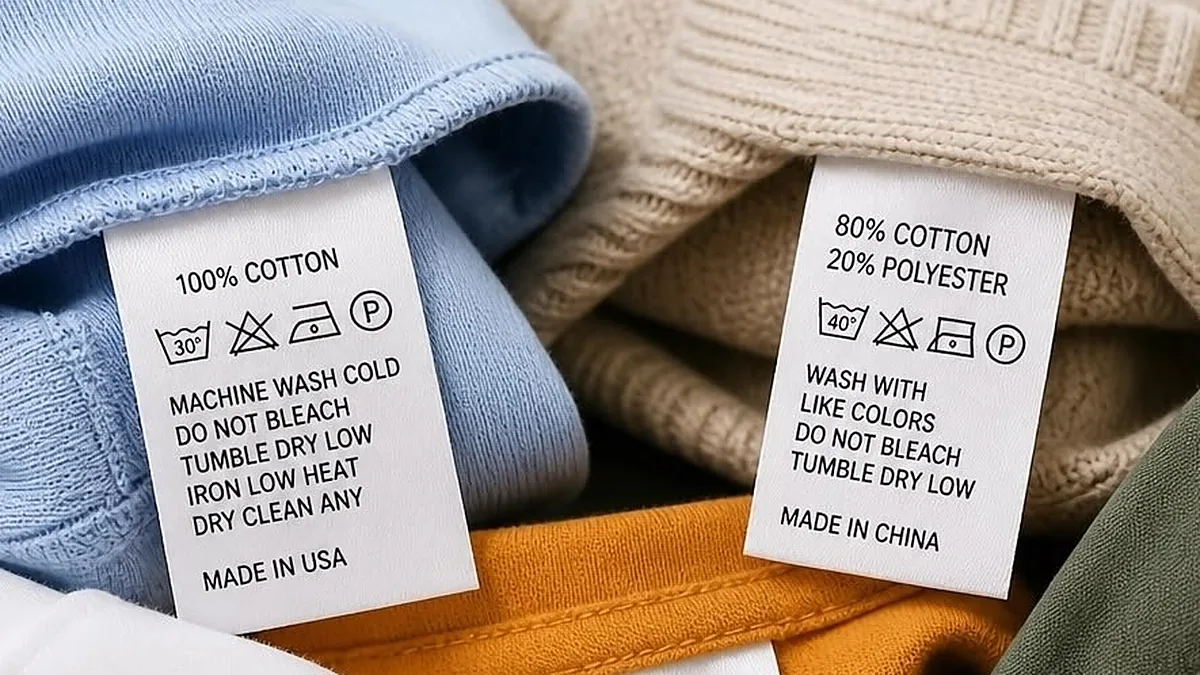
How Brands Cut Returns with Care Labels and Customer Education
Most sweater returns are not manufacturing faults — they are wash faults. How to write a compliant care label, educate customers, and lock shrinkage in at the factory.
Read
Seamless Wholegarment Knitwear: Is It Worth the Premium?
Zero seams, lighter weight and near-zero waste — but 1.5–2× knitting time and scarce programmers. When seamless earns its premium, and when linking still wins.
Read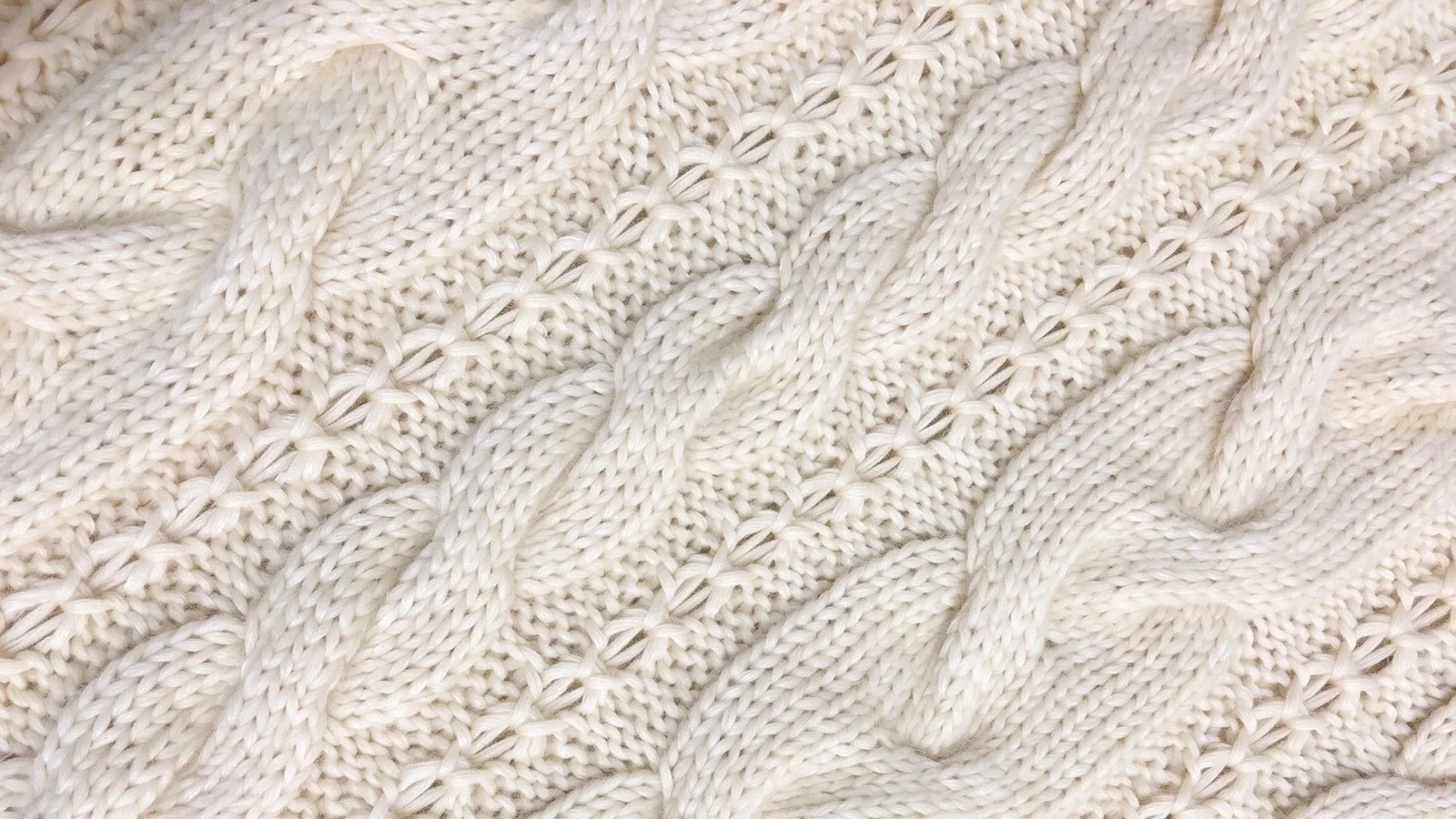
Coarse Cable Knitwear (3G–7G): History, Technique and Production Challenges
From Aran fishing sweaters to statement outerwear — how cables are physically crossed on a flat machine, and the three bottlenecks factories face on 3G–7G styles.
Read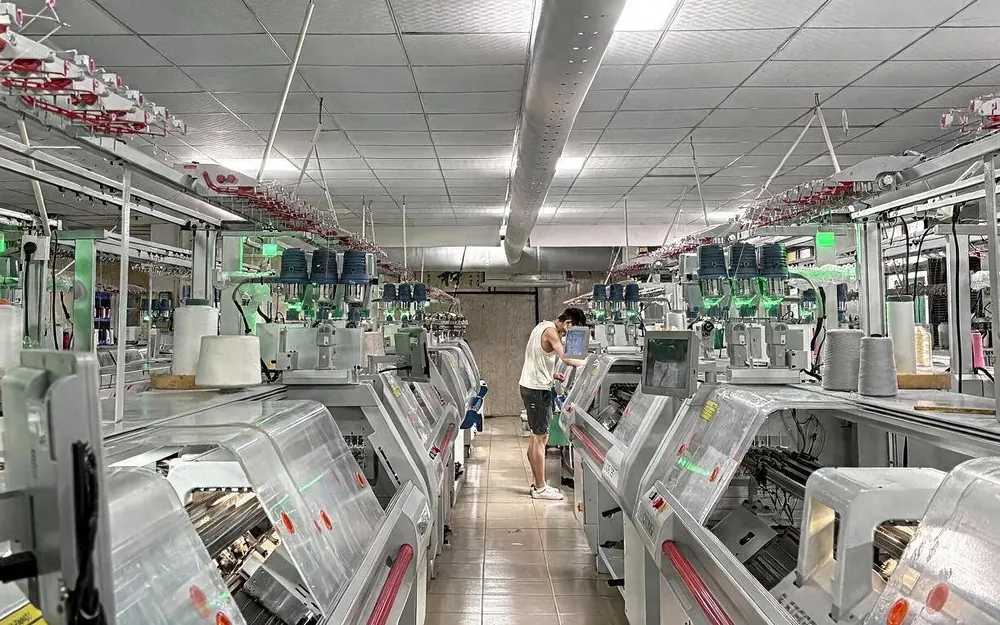
Custom Sweater Development: 7 Steps from Sketch to Bulk Delivery
Knits are built from yarn, not cut from cloth. A walk through the seven stages — tech pack review, programming, sampling, knitting, linking, washing and QC — that decide fit, hand-feel and delivery date.
Read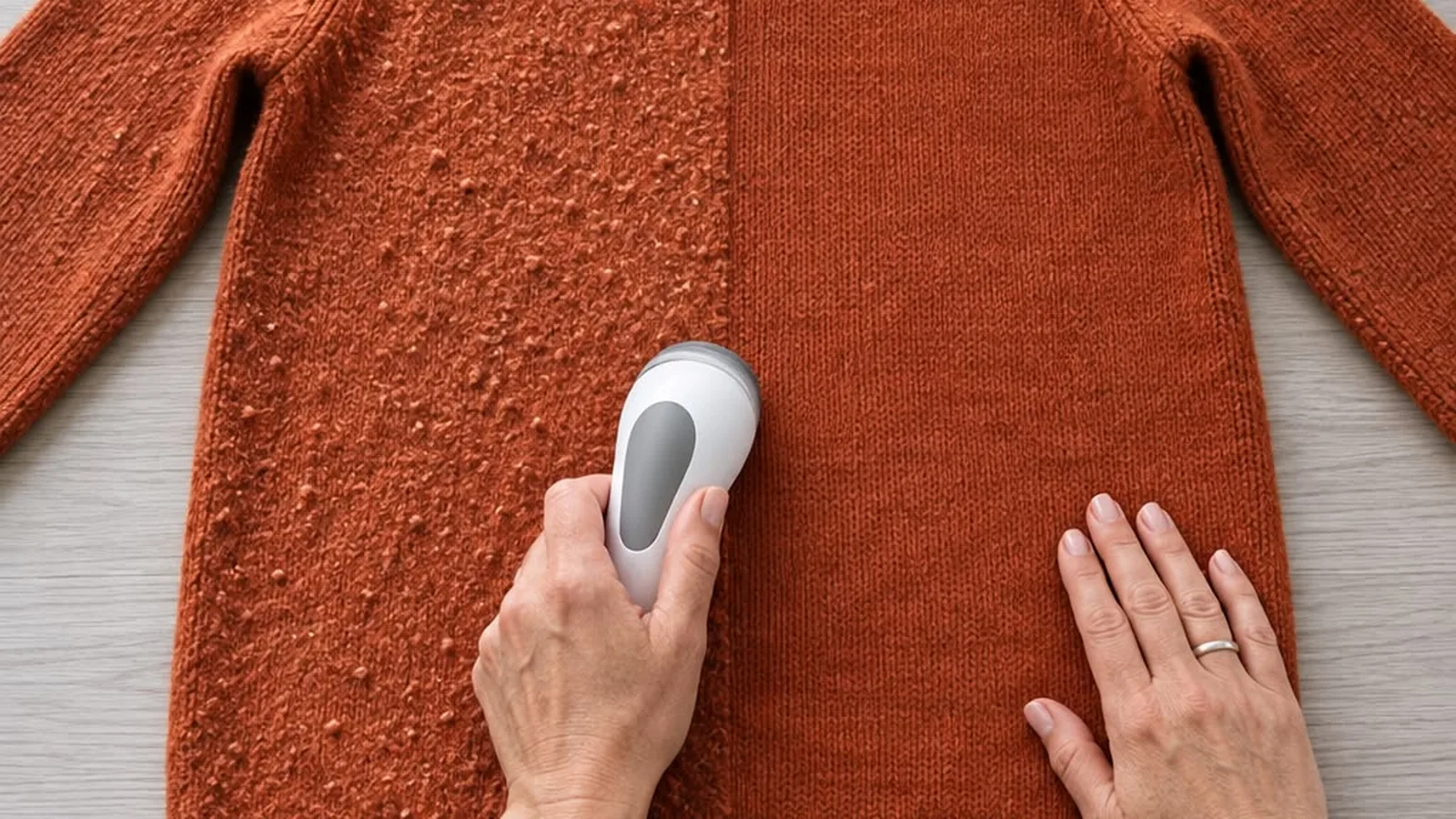
Preventing Pilling and Shrinkage: Yarn Choice and Washing Secrets
Pilling and shrinkage are not “cheap sweater” problems — they come from fibre length, twist and an uncontrolled wash. What to specify at yarn selection and finishing.
Read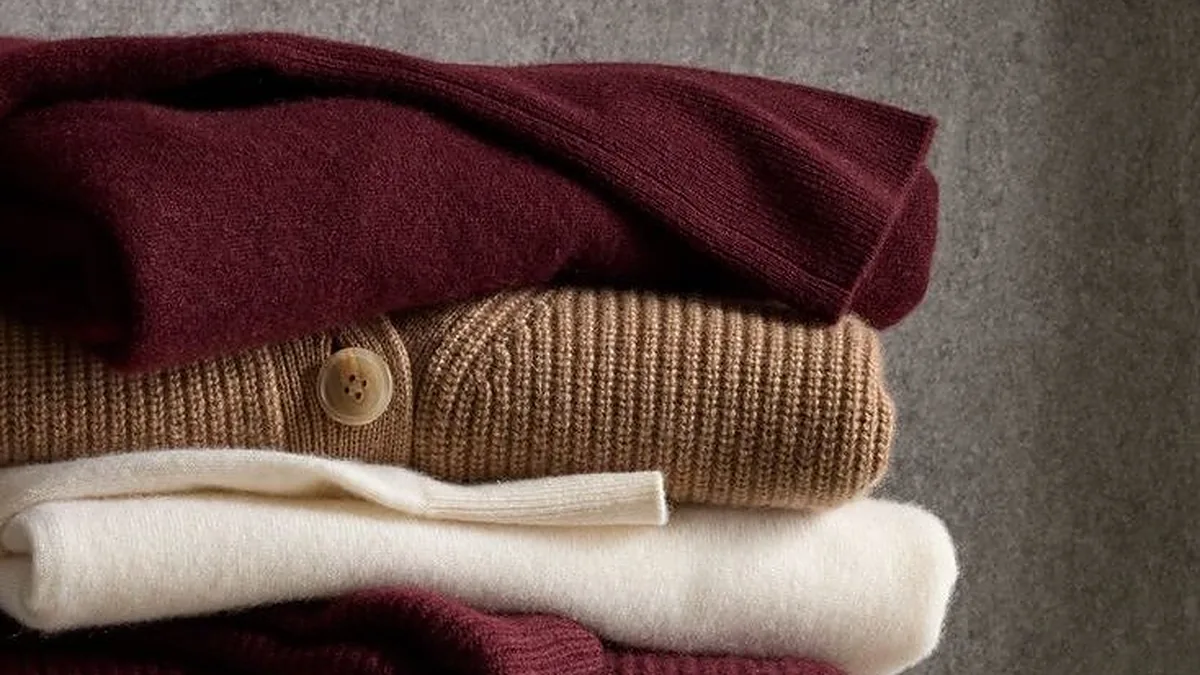
Weight and Gauge: What Really Decides a Sweater's Thickness and Price
Why does one sweater cost $20 and another $100? Gram weight drives yarn cost, gauge drives machine time — and fine gauge is often the more expensive one.
Read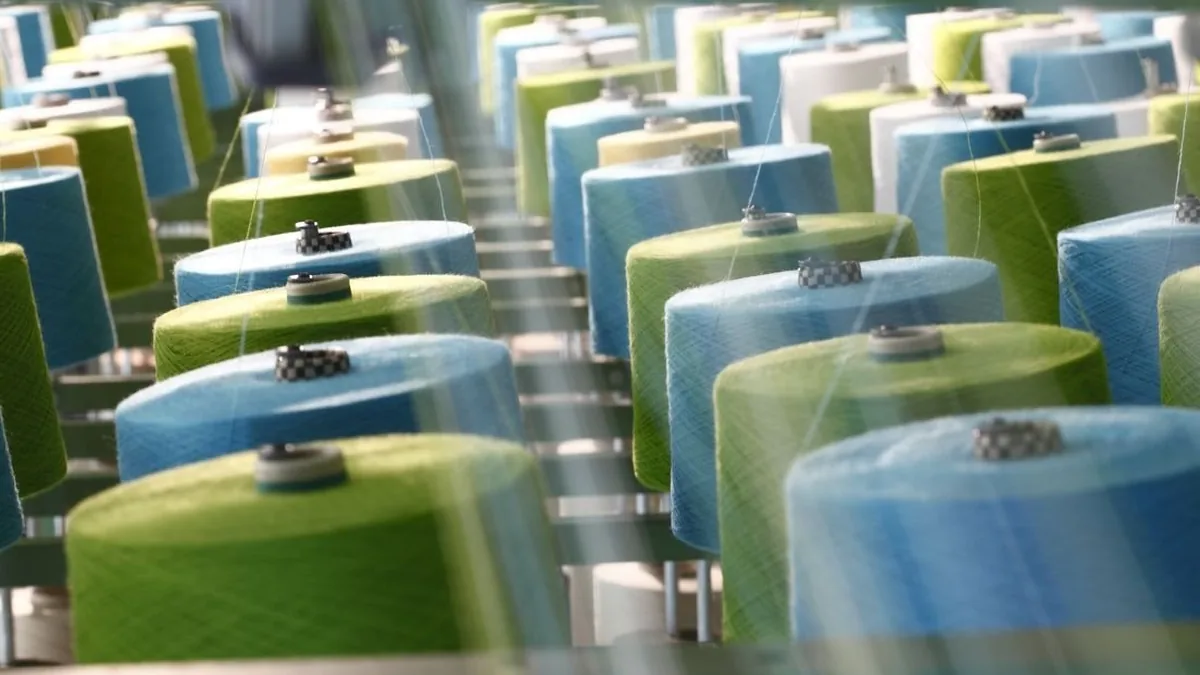
Garment Dye vs. Yarn Dye: Which Costs Less for Low MOQ?
Yarn dyeing buys stability, garment dyeing buys a vintage wash look. Where the real costs sit on 50–200 piece runs — and why stock yarn usually wins.
Read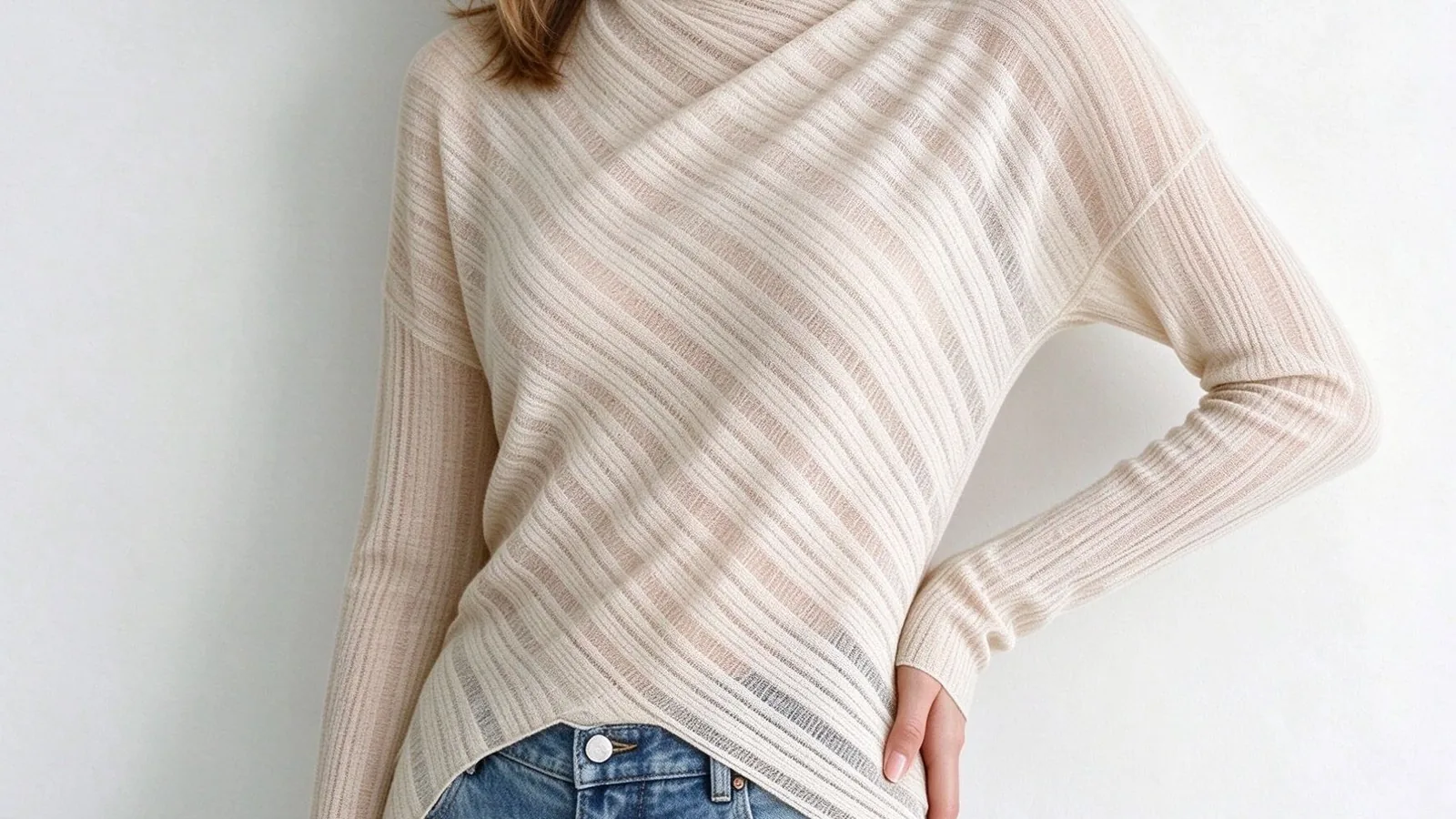
Spring/Summer Knitwear: Why 14G and 16G Fine Gauge Is Booming
Quiet luxury, air-conditioned offices and better fine yarns have pushed 14G/16G knits into spring/summer. What is driving demand, which styles sell, and what sourcing requires.
Read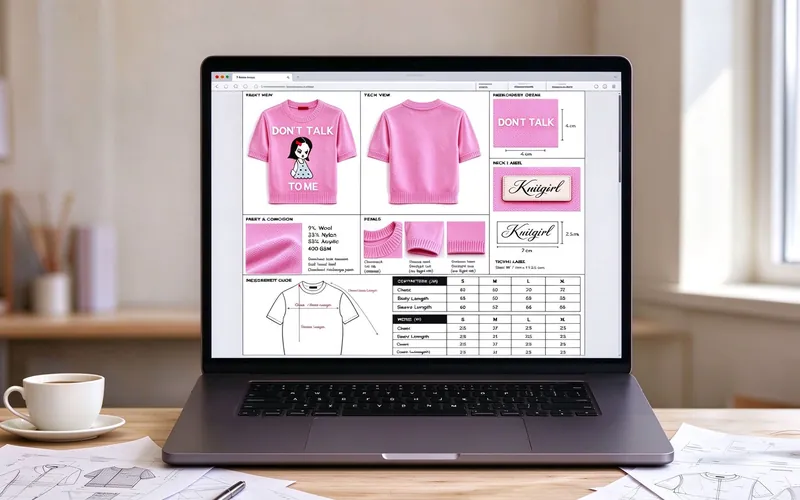
Reading a Knitwear Tech Pack: How to Get an Accurate Factory Quote
A sketch alone cannot be priced. The six elements every knitwear tech pack needs — and three habits that get you an accurate, itemised quote within 24 hours.
Read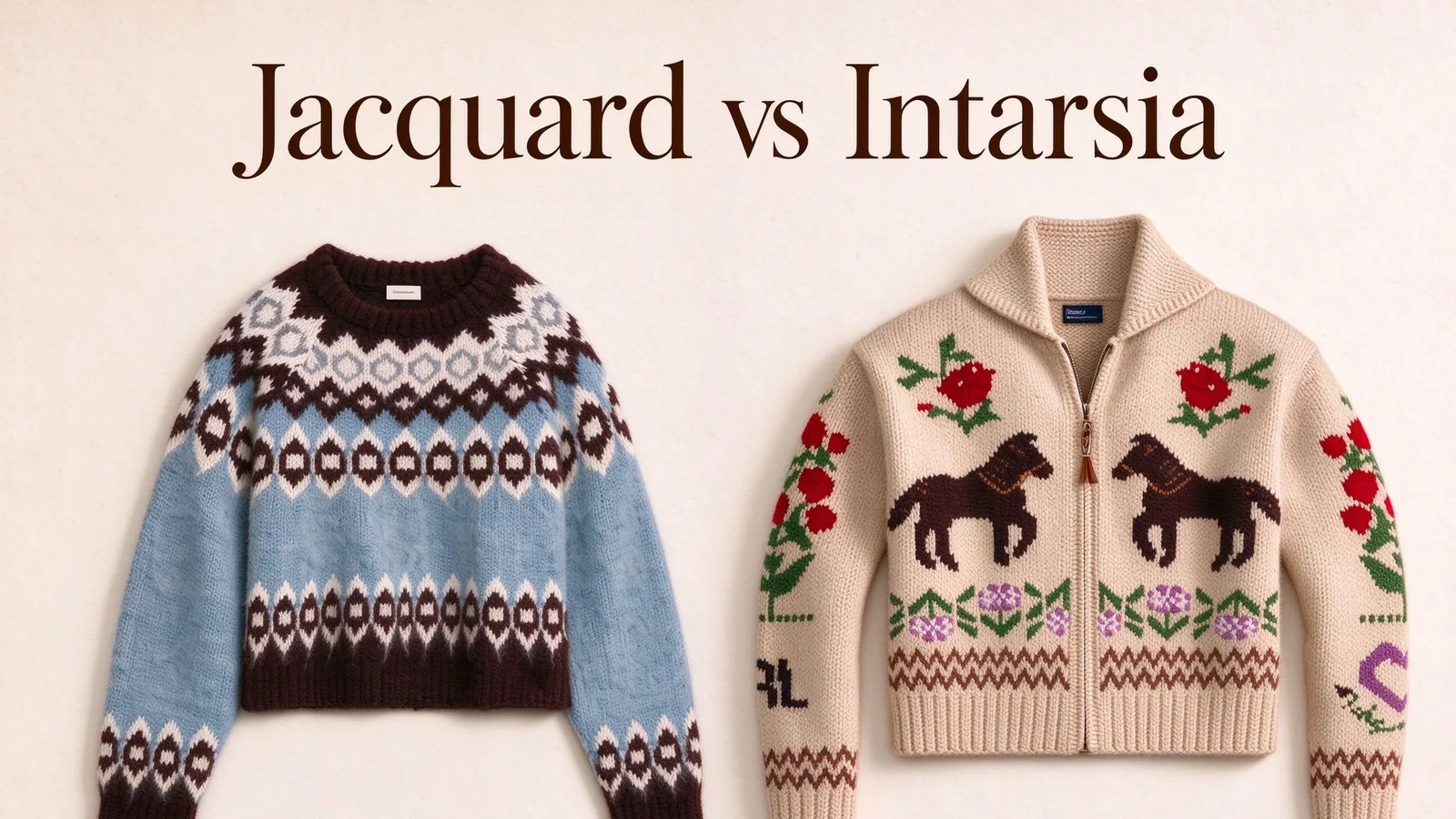
Intarsia vs. Jacquard: How the Two Knitting Techniques Differ
One is a single-layer colour puzzle, the other a layered multi-yarn build. How to choose between intarsia and jacquard for cost, comfort and design.
Read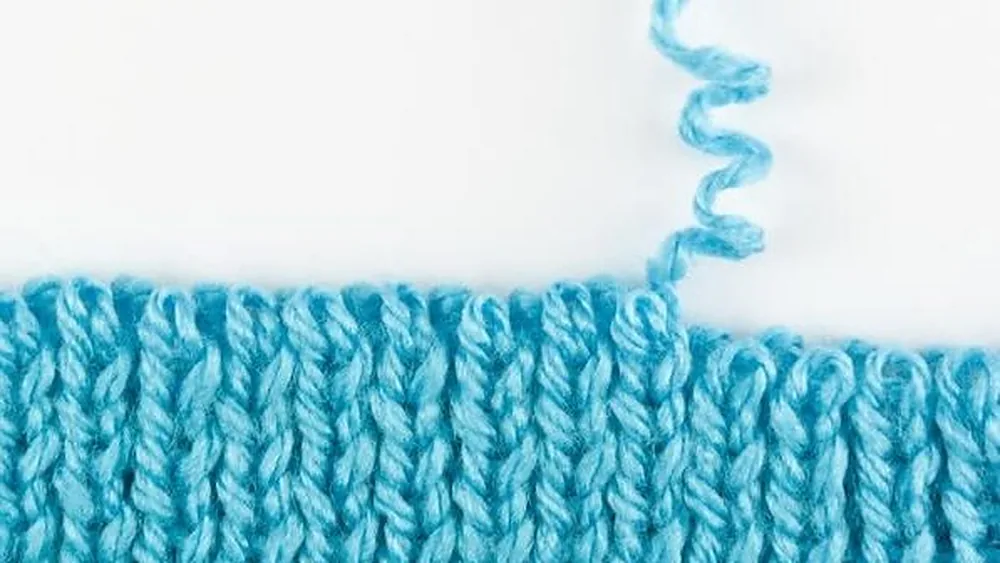
How to Avoid Common Sweater Production Mistakes: A Buyer's QC Checklist
Shrinkage, open seams, messy intarsia backs and batch colour drift — the four failures buyers see most, plus a stage-by-stage QC checklist to send to your factory.
Read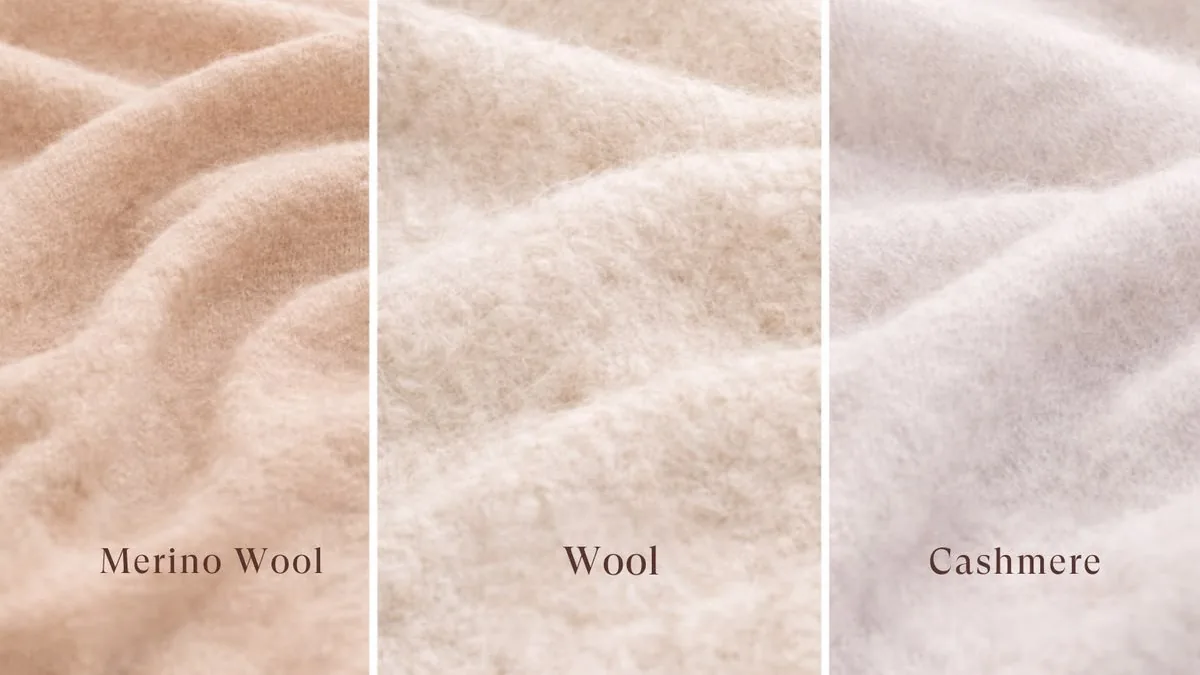
Merino vs. Cashmere vs. Cotton Blends: Choosing Yarn for AW
Warmth, skin feel, durability, cost and positioning — a side-by-side read on the three core autumn/winter yarns, plus three sourcing tactics to avoid costly mistakes.
Read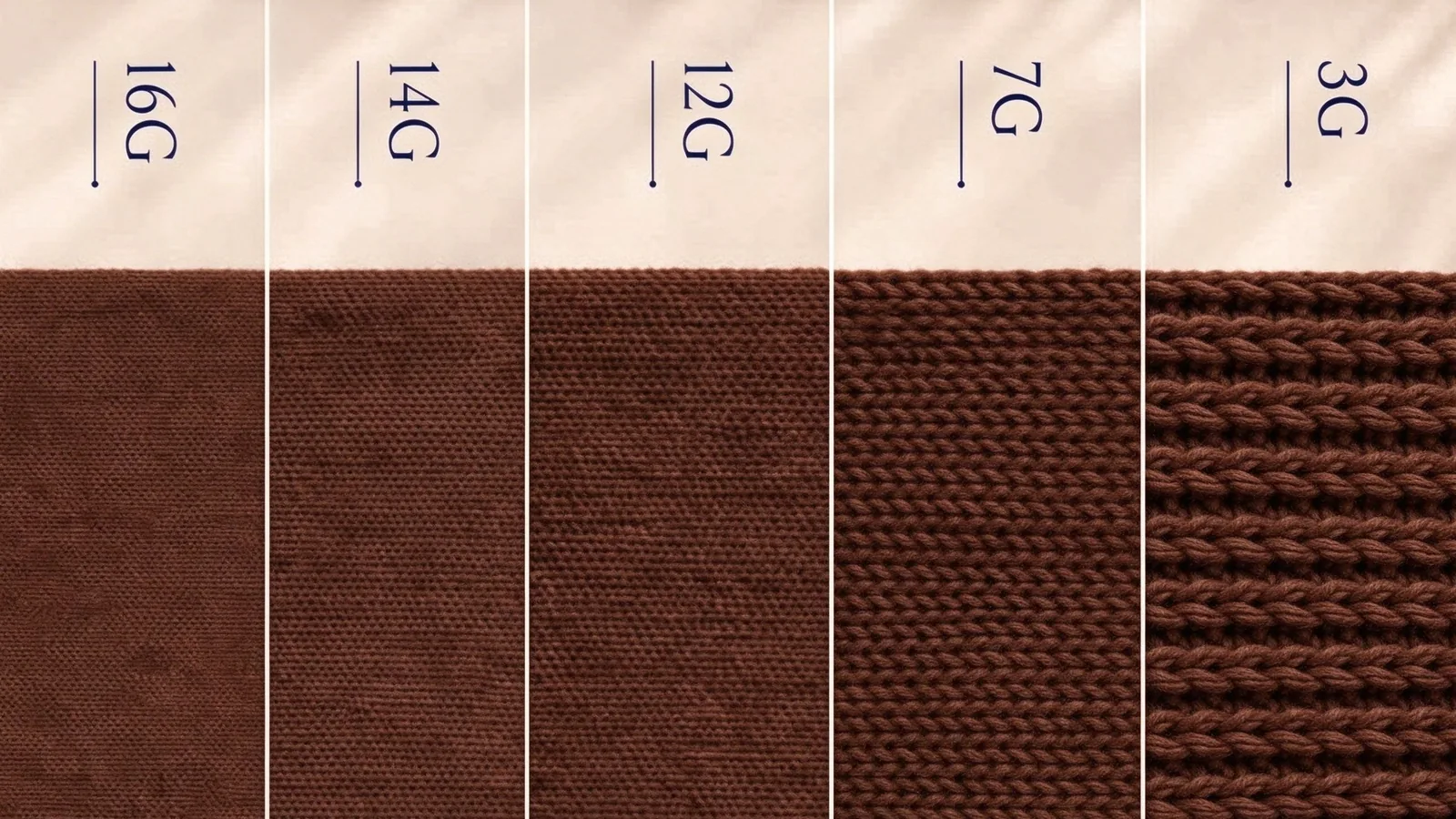
3G vs. 7G vs. 12G: Which Gauge Fits Your Brand?
Coarse, medium or fine: how 3G, 7G and 12G decide weight, hand-feel, style and cost — and how to pick the right one for your next collection.
Read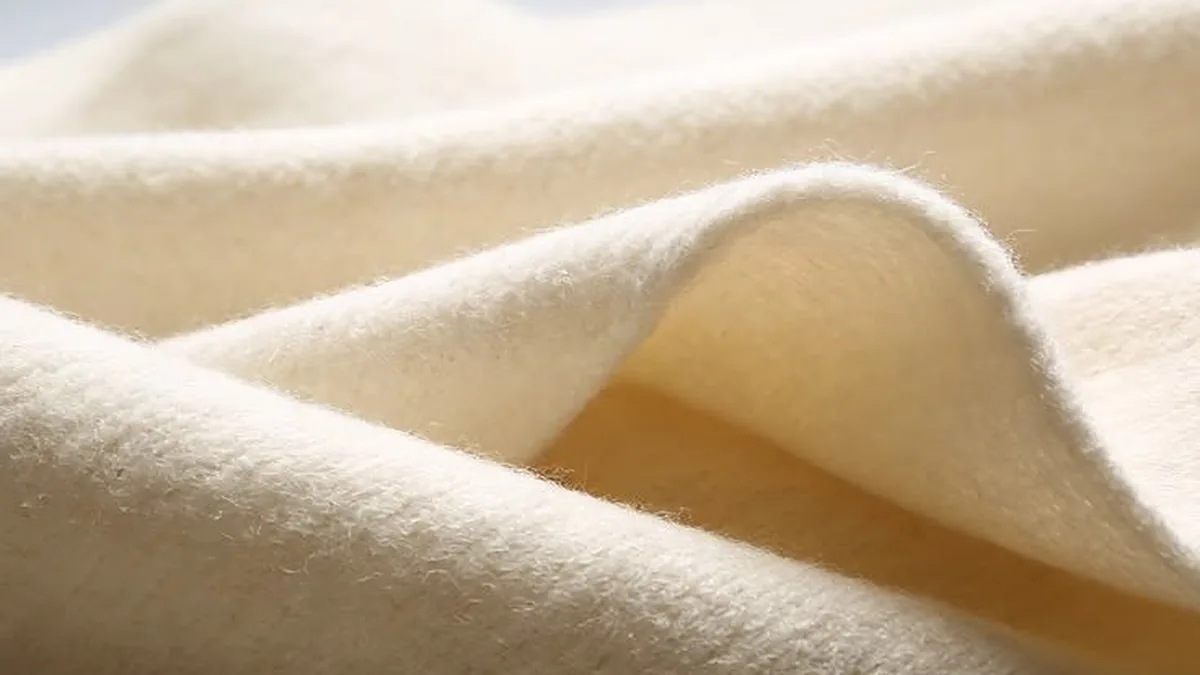
Why Do Some Sweaters Prickle and Others Feel Like a Baby's Skin?
Fibre diameter, surface scales and finishing — the three real reasons a sweater scratches, plus how to read a label and soften a prickly knit.
Read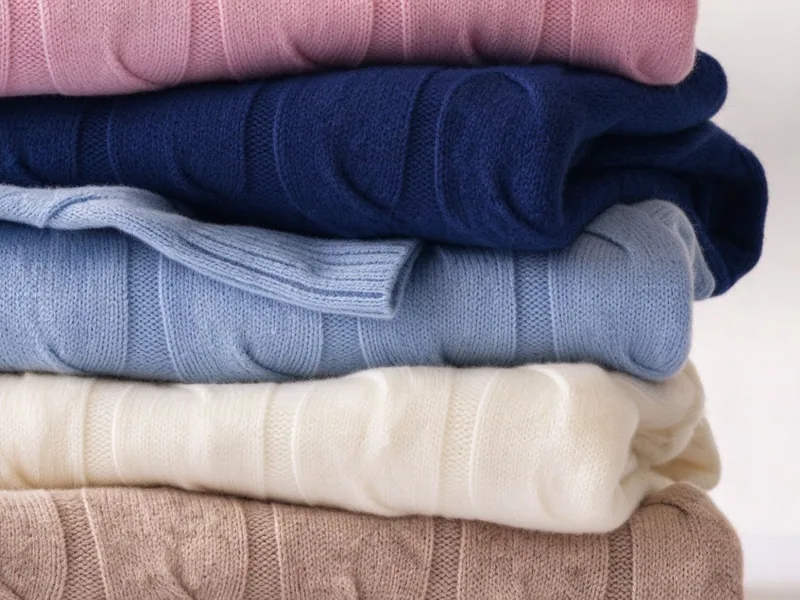
Why Is Knitwear MOQ Higher Than Woven Apparel?
Yarn dye-lot minimums, machine programming, hand-knotting and washing batches — the real reasons knitwear MOQs sit higher, plus four ways small brands can lower the bar.
Read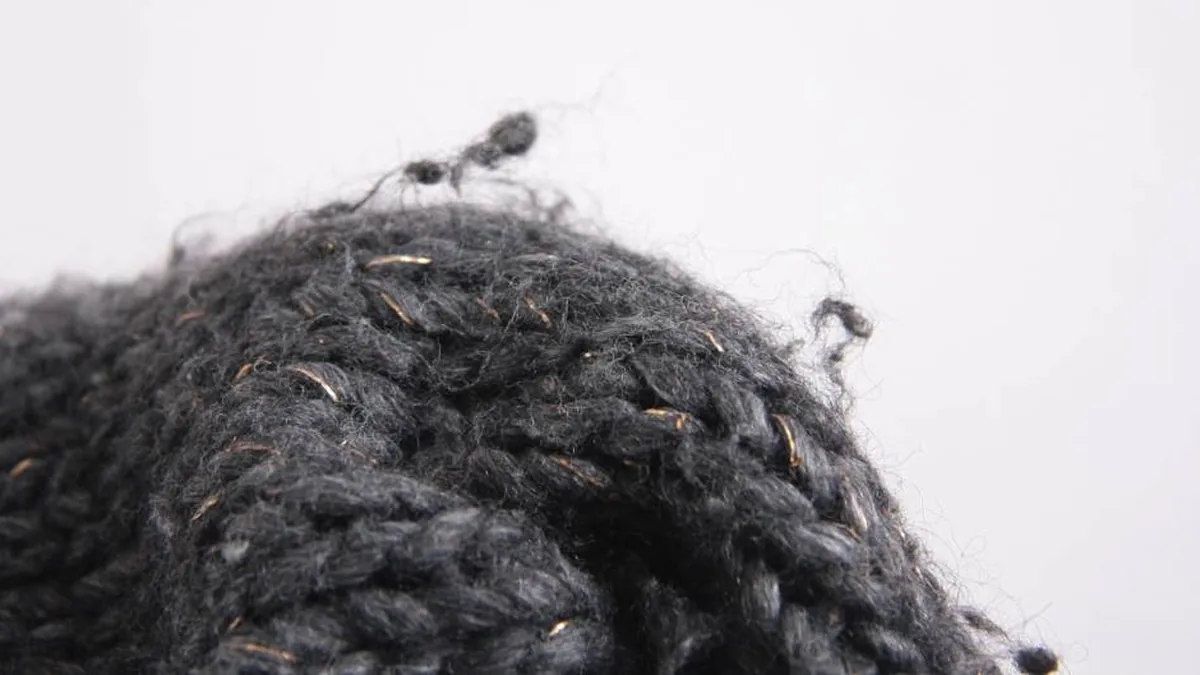
Is Pilling a Quality Problem?
Pilling is a physical property of natural fibres, not proof of a bad garment. Here is why it happens, which materials pill most, and how to care for a pill-prone knit.
Read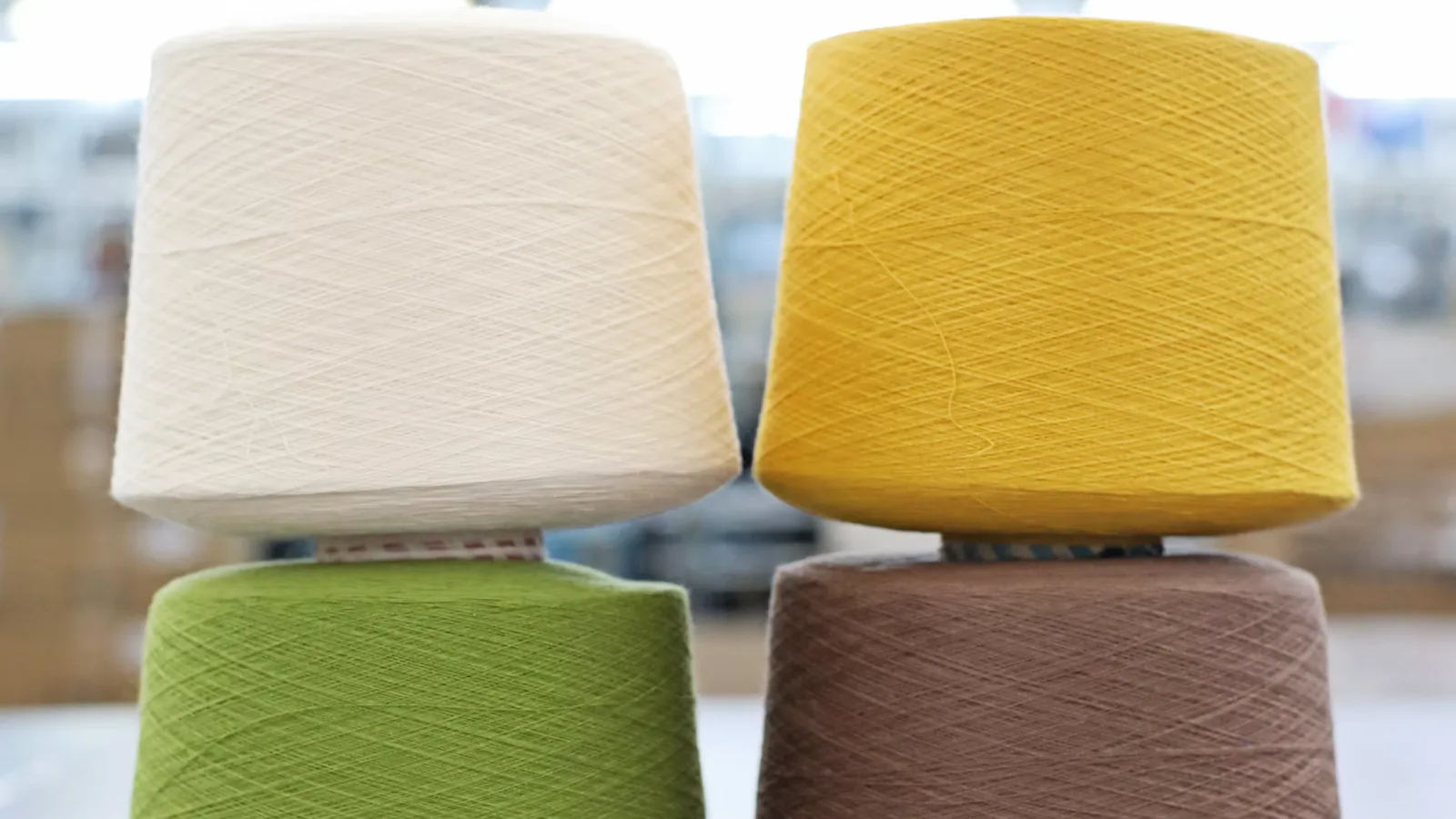
Knitwear's Secret Weapons: Yarn Count and GSM
Higher count is not always better, and heavier is not always warmer. A plain-language guide to yarn count and GSM — and how the two work together.
Read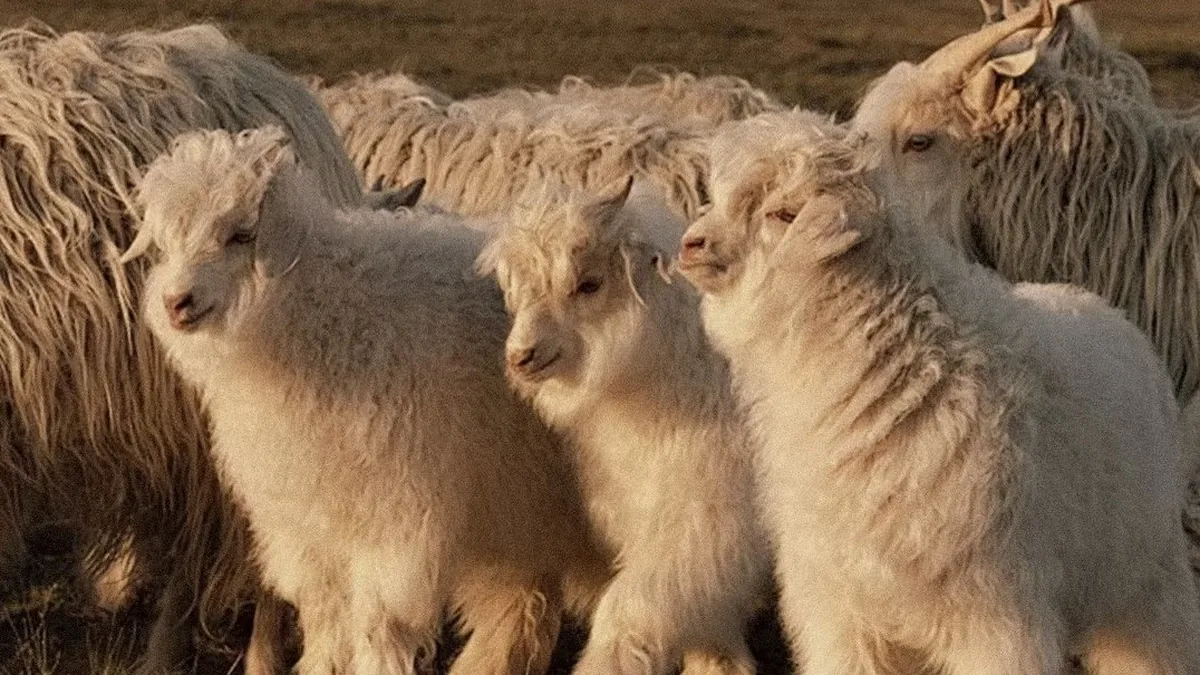
Cashmere vs. Wool: What's Actually Different?
From the animal it comes from to fibre diameter, warmth and care — a clear breakdown of why cashmere costs several times more than wool.
Read