Knit Accessories Buying Guide: Raising AOV with Matching Hats, Scarves and Gloves
Matching hats, scarves and gloves lift AOV fast: a $120 sweater plus a $25 beanie and $45 scarf turns a $120 basket into about $190. They also absorb leftover dyed yarn — a 30–50 kg dye lot partly used by the sweater order becomes a second product line. Beanies knit at 5G/7G/12G, scarves at 7G/12G, gloves at 12G–16G.
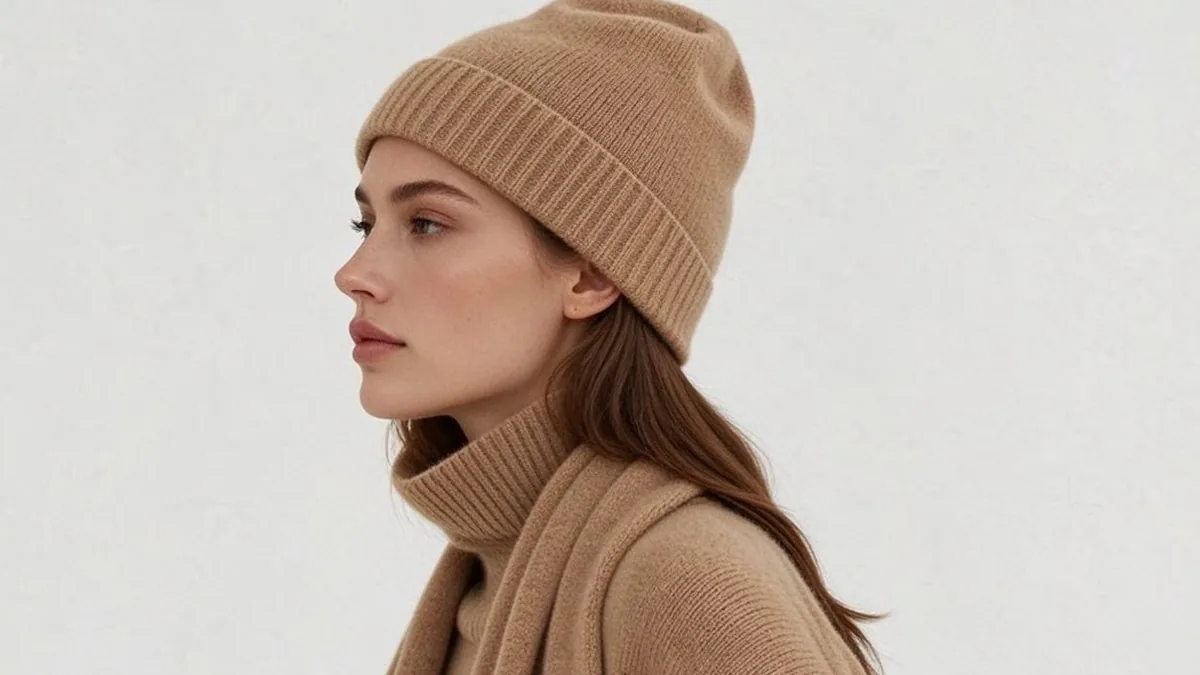
Same yarn, three extra SKUs. How matching accessories lift average order value, use up leftover dyed yarn, and which gauges and fibres keep them soft enough to wear.
In autumn/winter retail and DTC e-commerce, many brands hit the same wall: acquisition cost keeps rising, yet a single sweater does not lift average order value enough, so ad spend eats the margin.
The fix is simple: develop matching knit accessories. Bundle a hero sweater with a beanie, scarf and gloves in the same yarn, shade or a contrasting colourway — it lifts basket size and, on the supply side, minimises cost and maximises the use of your MOQ.
This guide covers the commercial logic and the practical path: shared yarn, gauge matching and sourcing.
1. Why matching sets lift AOV
1) Low-friction cross-selling
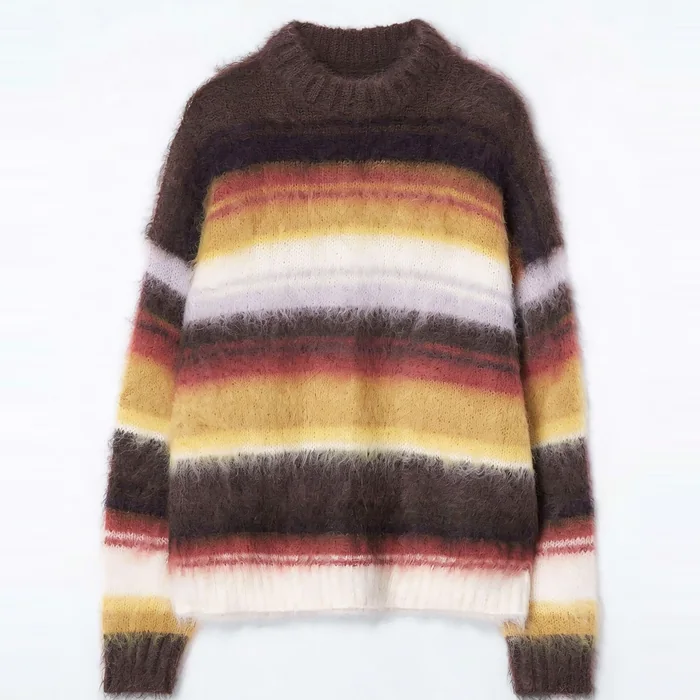
When a shopper is already buying a $120 sweater, adding a matching $25 beanie or $45 scarf at a set discount feels easy. One sweater alone = $120 AOV; sweater + beanie + scarf = $190 — nearly 60% higher.
2) Giftability and perceived refinement
In Q4 — Thanksgiving, Christmas and New Year — a hat/scarf/glove trio is a default gift purchase worldwide. A matching set looks premium and uniform, and carries far more pricing power than selling the pieces separately.
2. The supply-chain play: leftover yarn
For small and emerging DTC brands, matching accessories are a cost-efficiency tool: the sweater order consumes most of the yarn, and the remainder becomes a beanie, scarf and gloves in the same shade — using up stock, cutting waste, and requiring zero extra dyeing.
1) Solving yarn MOQ and small-vat fees
A custom Pantone shade usually requires a 30–50 kg dye lot. If the sweater order only consumes 35 kg, the remaining 15 kg becomes idle stock. Turn it into matching hats and scarves instead — a whole accessory line for no additional dyeing cost.
2) Lean on stock yarn
To test the market at a 50-piece MOQ, use the factory's stock yarn and order, say, 20 sweaters + 20 beanies + 10 scarves. Sold as a set, the full line launches with minimal capital.
3. Technical notes and gauge matching
Same yarn does not mean same machine setting. Each accessory has its own structure.
1) Gauge by product
- Beanies: usually 5G/7G medium-coarse or 12G fine, in 1×1 or 2×2 rib for stretch and a snug fit.
- Scarves: 7G or 12G jersey/honeycomb with a rib or fringe finish — they must feel light, soft and fluid, never stiff.
- Gloves: the five-finger structure is precise, usually 12G–16G fine gauge or dedicated glove machines for fit and dexterity.
2) Keeping it non-itchy
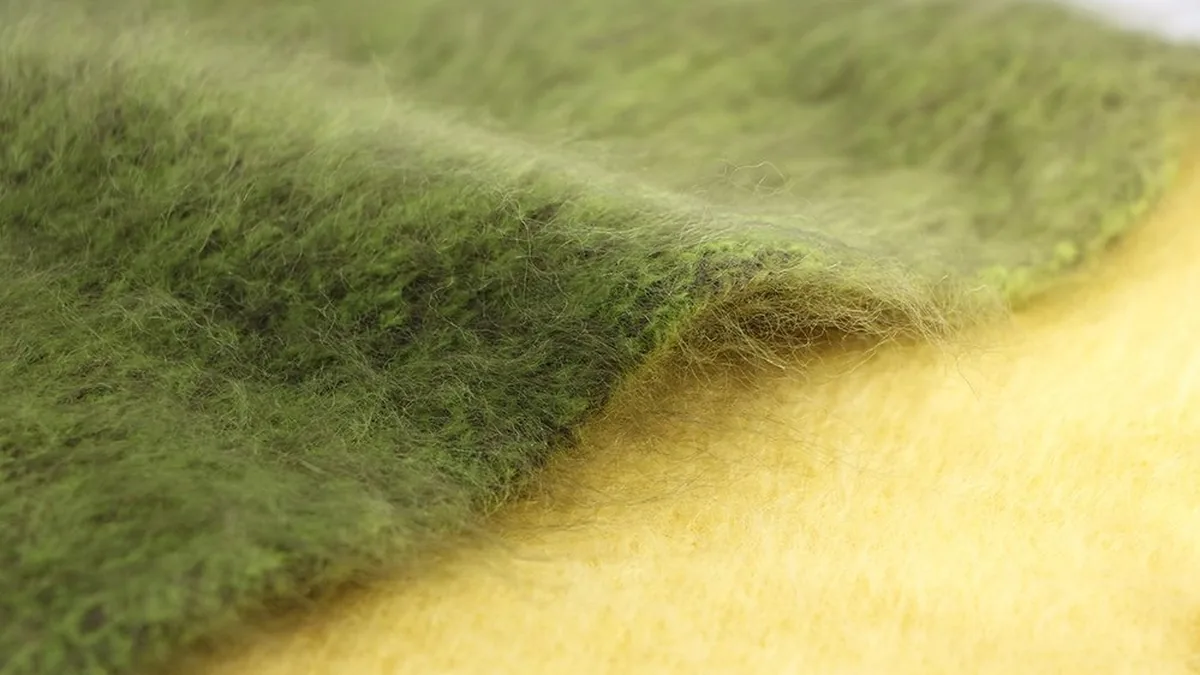
Hats and scarves sit against the most sensitive skin — neck and forehead. Specify high-count worsted merino, anti-pilling cotton blends or ultra-soft cashmere-like acrylic; if coarse wool is used, soften it in the washing stage so it never prickles.
4. Retail playbook for accessory sets
- PDP cross-sell: a “Complete the Look” module that adds the matching hat or scarf in one click.
- Bundle & save: “add the matching beanie for $20” or “the full three-piece set saves $30”.
- Gift box for Q4: a magnetic-closure gift box locks in the holiday gifting market.
In summary
Raising AOV does not require complicated new styles. Use one yarn across categories, stretch the value of your hero sweater's yarn into hats, scarves and gloves, sell them as a set — and you solve leftover-yarn waste while lifting AOV and margin at the lowest possible cost.
About Jinya Knitwear
Developing a sweater plus matching accessories and need full-category capacity at low MOQ? Jinya supports the whole set.
- Full category and gauge: 1.5GG–16GG flat machines plus dedicated accessory equipment, producing menswear, womenswear, kidswear along with beanies, scarves and gloves at scale.
- Stock yarn and low MOQ: a 50-piece minimum with flexible mixing across sweaters and accessories.
- Craft and QC: technicians with 15+ years of experience oversee yarn routing and milling so sweater and accessories match in colour and hand, with no prickle.
- Fast sampling: 3–7 day samples; 100% of the sampling fee refunded on orders of 300+ pieces of the same style.
How much can accessories lift AOV?
A $120 sweater plus a $25 beanie and $45 scarf turns a $120 basket into about $190 — roughly 60% higher.
Which gauges suit hats, scarves and gloves?
Beanies 5G/7G/12G, scarves 7G/12G, gloves 12G–16G on fine machines.
What is the minimum for an accessory set?
Accessories can be combined with the sweater order to reach a 50-piece minimum.
Olivia handles operations content for Jinya, covering knitwear sourcing, product development and garment care — turning the questions buyers ask on the factory floor into practical, checkable guides.
Ms. Liu has run knitting floors for more than 20 years, overseeing yarn routing, machine programming, linking and final QC. She reviews every technical claim published here.