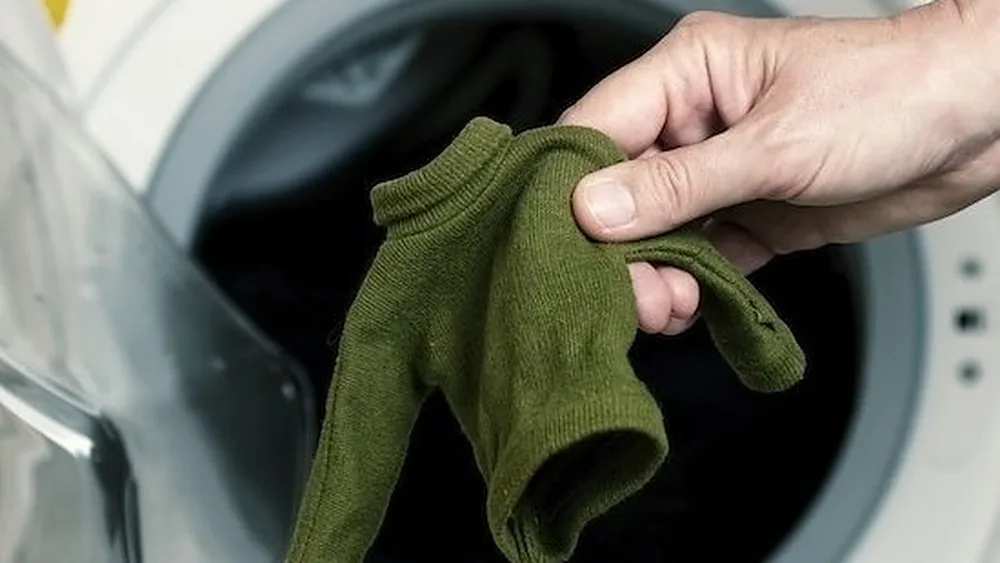
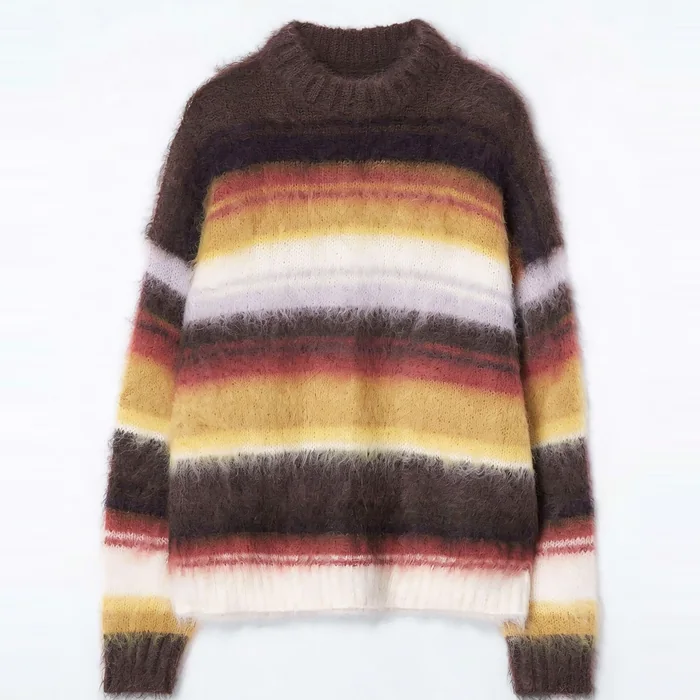
Is Pilling a Quality Problem?
Pilling is normal physics, not a defect: short fibres work loose under friction, tangle into pills, then either fall off or cling. Cashmere pills moderately at first, standard wool lightly to moderately, high-count worsted merino very little, and synthetics pill heavily and never shed. Never pull pills by hand; use a fabric shaver, rest the garment between wears and wash it inside out.
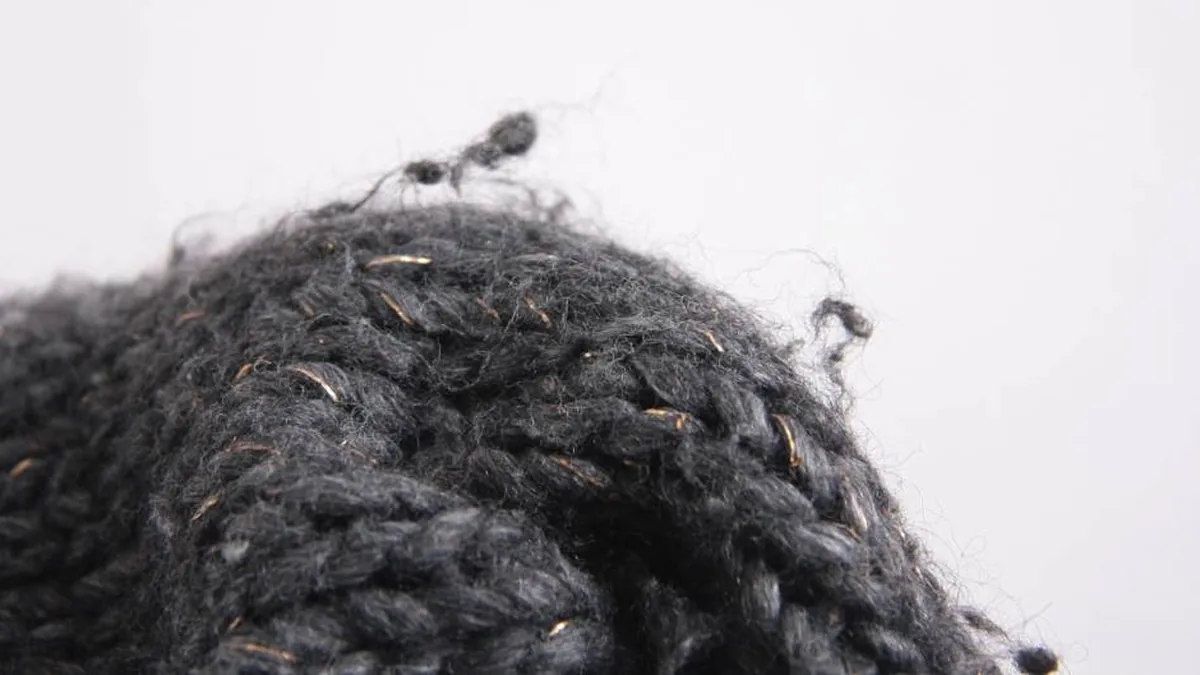
Pilling is a physical property of natural fibres, not proof of a bad garment. Here is why it happens, which materials pill most, and how to care for a pill-prone knit.
Every autumn and winter the sweater becomes the workhorse of the wardrobe. Yet after a few wears, many people notice small pills at the cuffs and underarms — and start to wonder: did I buy something inferior? Is pilling really a quality problem?
It is one of the most common consumer misconceptions. Here we unpack the truth about pilling from three angles: fabric physics, material behaviour and everyday care.
1. The conclusion: pilling does not equal poor quality
There is a widely shared rule in the garment industry: whether a fabric pills is a marker of natural versus synthetic fibres, or of woollen versus worsted spinning — it is not the single measure of quality.
In fact, almost every high-quality natural animal fibre — cashmere, merino wool — will pill. The more precious and softer the fibre, the more likely it is to shed and pill slightly at the beginning.
Why does pilling happen?
- Physical friction: knitted fabric is built from countless fibres of different lengths. Arm movement, bag straps and coat linings rub the surface, breaking fibre ends or pushing them up out of the fabric.
- Short fibres and cohesion: natural fibres feel wonderful, but they are not infinitely long. To achieve that soft hand-feel, premium natural yarns often contain many fine short fibres, which tangle under friction and eventually form small pills.
2. Material comparison: which sweaters pill more?
Different fibres and spinning methods show very different pilling behaviour.
| Fibre / process | Pilling tendency | Why, and how it shows |
|---|---|---|
| Top-grade cashmere | Moderate (visible early on) | Extremely fine and soft; plenty of loose fibre at first, gradually reducing with each wash. |
| Standard woollen-spun wool | Light to moderate | Shorter, coarser fibres clump together after friction. |
| High-count worsted merino | Slight or minimal | Long-fibre combing and worsted spinning leave long, tightly aligned fibres with excellent pill resistance. |
| Pure synthetics (acrylic, polyester) | Heavy, and pills cling | Synthetic fibres are strong, so pills stay attached instead of falling off — and static makes it worse. |
3. Local factors: why your pilling feels worse
Where and how you live and commute directly affects how often a sweater pills.
- Dry air and static: in northern winters or dry indoor spaces, low humidity amplifies static, which acts like an invisible comb — lifting loose fibres and tangling them into pills.
- Commuting and outerwear friction: a backpack, or the rough lining of a wool coat or puffer, multiplies friction at the shoulders, back and sleeve sides.
4. Three minutes to revive a pilled sweater
Since pilling is an unavoidable physical trait of natural fibre, how should we handle it?
- Never pull pills off by hand: tugging stretches or breaks fibres deep in the yarn, so the sweater gets thinner and holes get bigger.
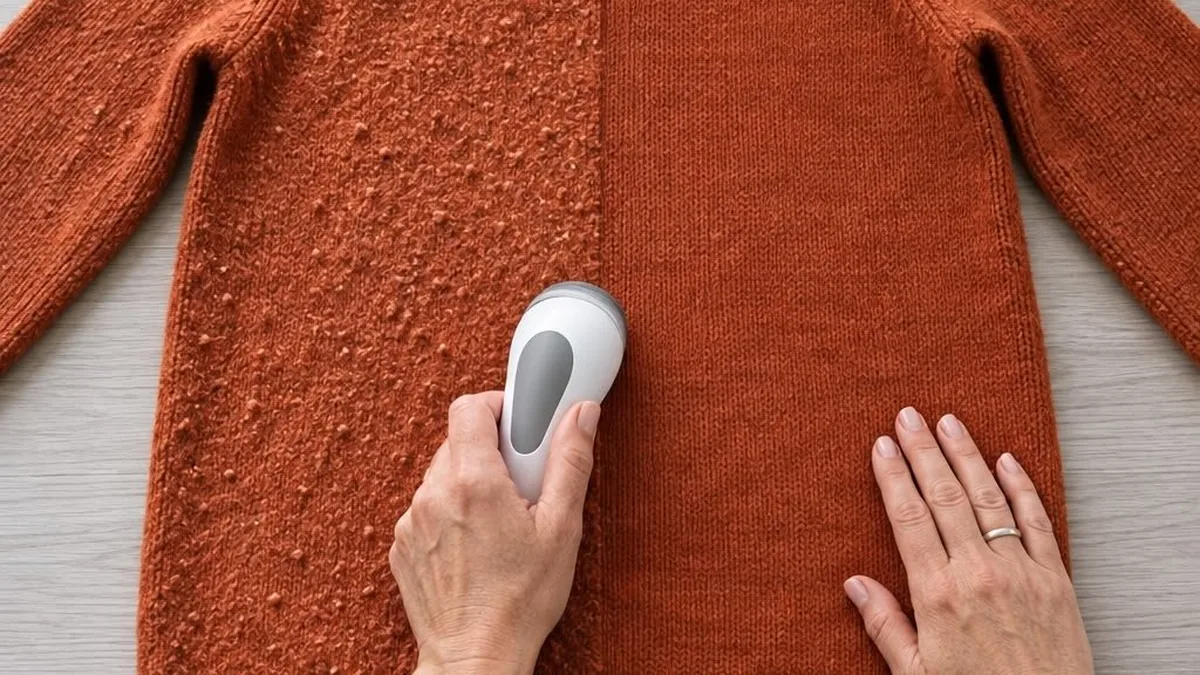
- Use a fabric shaver: lay the sweater flat and glide an electric shaver lightly over the surface — it cuts the pills cleanly without damaging the base fabric.
- Give it a rest: natural animal fibres have excellent elasticity and moisture regain. After a few days of wear, let the sweater hang in the wardrobe for one or two days so the fibres can recover — this visibly reduces pilling.
Accepting the natural “breath” of fibre
A truly good cashmere or wool sweater is a living object. It will show traces of the friction it lives with — that does not make it inferior. With the right care and understanding, you will find that softness and texture are exactly what natural materials give us.
Next time you see a few pills on a favourite sweater, don't worry — it is simply telling you that this is a genuine natural garment.
Is pilling a quality problem?
No — it is a physical property of natural fibres, not proof of a bad garment.
Which materials pill most?
Cashmere moderately at first, standard wool lightly, synthetics heavily and the pills cling.
How should I remove pills?
Use a fabric shaver gently; never pull them by hand.
Olivia handles operations content for Jinya, covering knitwear sourcing, product development and garment care — turning the questions buyers ask on the factory floor into practical, checkable guides.
Ms. Liu has run knitting floors for more than 20 years, overseeing yarn routing, machine programming, linking and final QC. She reviews every technical claim published here.