How to Avoid Common Sweater Production Mistakes: A Buyer's QC Checklist
Four failures cause most knitwear claims: shrinkage from poor wash control, open seams from missed linking stitches, messy intarsia backs, and batch colour drift. Control them stage by stage — PPS (composition, density, inside finish, measurements), inline (panels, seam pull test, needle detection) and final (wash shrinkage within ±3%, appearance, trims).
Shrinkage, open seams, messy intarsia backs and batch colour drift — the four failures buyers see most, plus a stage-by-stage QC checklist to send to your factory.
In apparel supply chains, knitwear is a QC trouble spot: it is elastic, extensible and made through many manual steps.
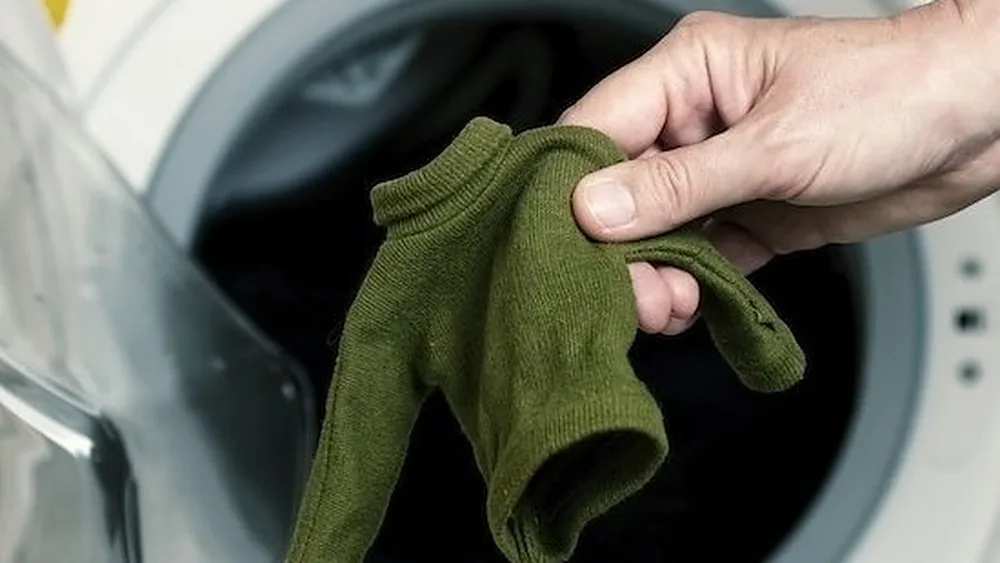
Buyers often meet familiar problems on delivery: sweaters that shrink two sizes after washing, seams that unravel after two wears, or a red style that is 3 cm longer than the black in the same batch.
These failures drive up returns and damage brand reputation. This guide gives you a professional QC checklist and breaks down the four most common production mistakes.
1. The four most damaging mistakes
1) Size drift and poor shrinkage control
Knitted fabric stretches by nature. If washing/milling and pressing/shape-setting are not controlled for water temperature, drying time and template size, the sweater will shrink or distort after the first wash.
Result: same-size garments measure differently, and customers return them after the first wash.
2) Open seams and dropped stitches
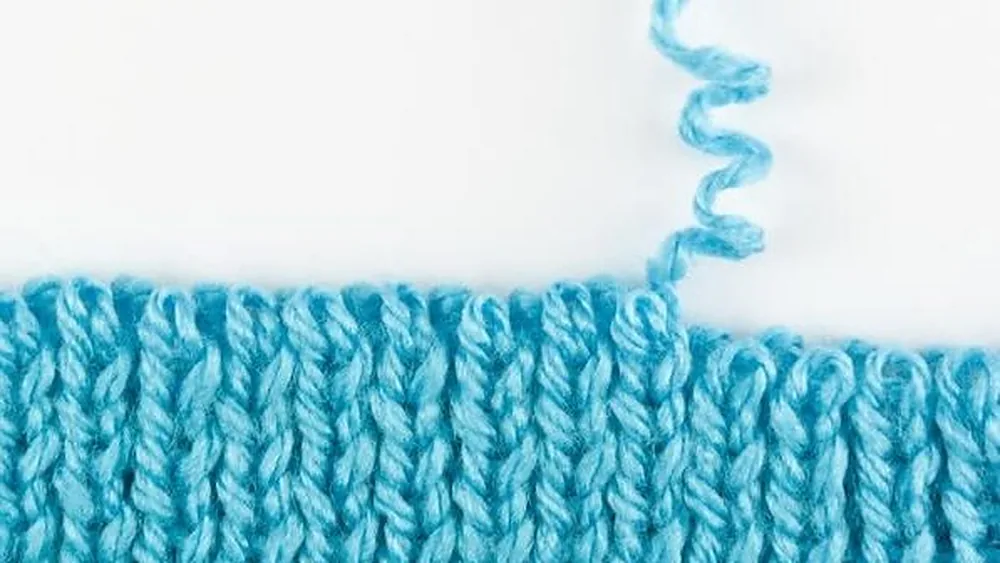
Panels and collars are linked stitch by stitch on a linking machine. A missed stitch, or a seam not secured at the finishing stage, will open quickly under wear or tension.
Result: severe complaints and a very short product life.
3) Messy, loose intarsia backs
On colour-blocked intarsia, skipping the hand-knotting and tucking step leaves many loose tails inside. They snag when worn and can pull stitches out.
Result: poor comfort, exposed threads and a cheap-looking interior.
4) Batch colour and hand-feel inconsistency
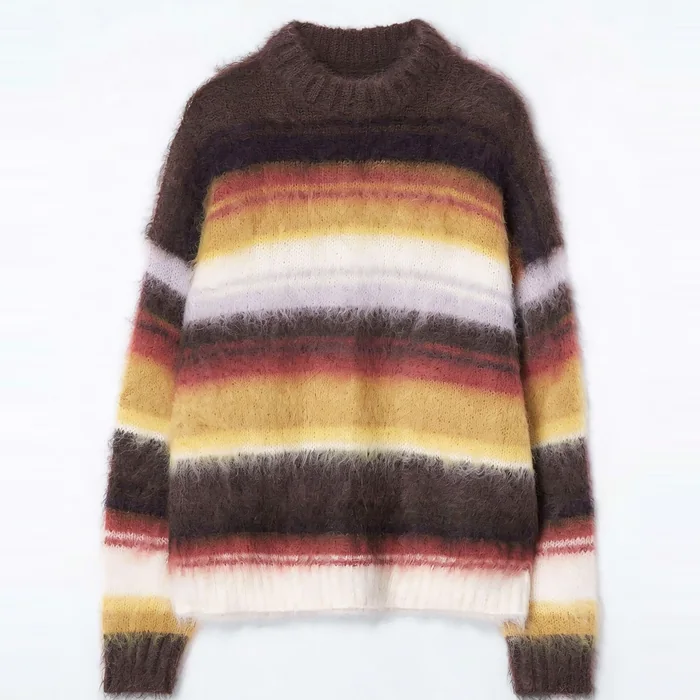
Dyed yarn varies by dye lot, and over-milling for an extremely soft hand damages fibres and reduces pill resistance.
Result: the bulk does not match the sample, and the sweater pills after two wears.
2. A stage-by-stage QC checklist for buyers
Use this checklist as an SOP with your factory and verify every line at sampling and final inspection.
Stage 1: pre-production sample (PPS)
| Check item | Standard & risk to watch |
|---|---|
| Yarn composition & shade | Match the lab dip and Pantone reference; confirm the shade deviation is within the acceptable tolerance. |
| Density & gauge | Check wales and courses within 10 × 10 cm; confirm the stitch count matches the tech pack. |
| Inside finish | Seams concealed and flat; on intarsia, every tail hand-knotted and tucked. |
| Measurements & pressing | Measure against the size chart; no sign of stretching during pressing. |
Stage 2: inline inspection
| Check item | Standard & risk to watch |
|---|---|
| Knitted panels | Random check for dropped stitches, holes, fly yarn and oil stains. |
| Seam strength | Pull shoulders, armholes and neckline with moderate force; check for broken thread or missed stitches. |
| Needle detection | All panels and sewn pieces pass the needle detector. |
Stage 3: final random inspection
| Check item | Standard & risk to watch |
|---|---|
| Shrinkage test | Wash and dry random bulk pieces; keep dimensional tolerance within ±3%. |
| Appearance & pressing | No pilling, no stray fibres; flat pressing, no steam water marks. |
| Trims & labels | Care label composition, size label and brand tag placement and spelling. |
3. Three sourcing tips for overseas buyers
- Always request a garment wash test: do not measure panels straight off the machine. Every measurement must be taken on the washed and steam-pressed garment.
- Choose a factory with the full process in-house: knitting, linking, washing and pressing under one roof means faster technical response and far more consistent quality.
- Validate QC with a small first run: test 50–100 pieces, using the factory's stock yarn, to confirm workmanship and consistency before scaling.
In summary
Quality lives in the details: yarn routing and programming, hand-knotted intarsia ends, linking, washing and milling, steam pressing and shape setting.
A disciplined QC checklist plus a factory that owns the whole process is the most reliable way to avoid production failures and cut returns.
About Jinya Knitwear
Worried about workmanship and QC on bulk knitwear? Jinya holds production to a strict craft standard.
- Experienced technicians: Technicians with 15+ years of experience oversee pattern making and yarn routing.
- Critical controls: Needle detection on every panel, hand-knotted intarsia, seam pull testing and standardised washing and shape setting.
- Full gauge & category range: 1.5GG–16GG machines; menswear, womenswear, kidswear and knit accessories.
- Low MOQ: From 50 pieces with stock yarn, so new brands can validate quality before scaling.
- Fast sampling & refund: 3–7 day sampling; sampling fee fully refunded on 300+ pieces of the same style.
What are the most common sweater quality issues?
Shrinkage from poor wash control, open seams from missed linking stitches, messy intarsia backs, and colour drift between dye lots.
What wash shrinkage tolerance is normal?
±3% on the washed and steam-pressed garment is the usual standard for bulk.
Which stages should a buyer inspect?
Three: pre-production sample (PPS), inline inspection during bulk, and final random inspection before packing.
Why is needle detection mandatory?
It rules out broken needle fragments in the garment, which is a basic requirement for EU and US imports.
Olivia handles operations content for Jinya, covering knitwear sourcing, product development and garment care — turning the questions buyers ask on the factory floor into practical, checkable guides.
Ms. Liu has run knitting floors for more than 20 years, overseeing yarn routing, machine programming, linking and final QC. She reviews every technical claim published here.