How Brands Cut Returns with Care Labels and Customer Education
Most sweater returns are wash faults, not manufacturing faults. A compliant care label carries five elements — wash, bleach, dry, iron, dry-clean — and should state hand wash ≤30°C, no tumble dry, dry flat. Train customers on three things: cool water with neutral detergent, never hang wet, and treat pilling as normal rather than a defect.
Most sweater returns are not manufacturing faults — they are wash faults. How to write a compliant care label, educate customers, and lock shrinkage in at the factory.
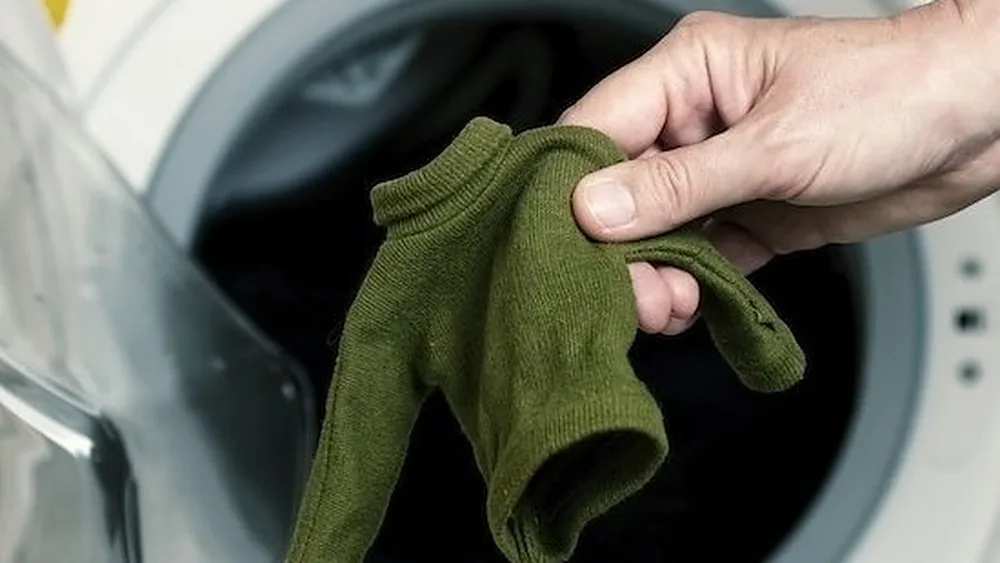
In knitwear e-commerce, a familiar pattern appears one to two weeks after launch: QC was perfect at the factory, yet returns and complaints suddenly spike — always with the same reasons. “It shrank to child size after one wash.” “The machine wash turned it into a ball.” “One day on a hanger and the shoulders and length stretched out.”
Sweaters are assemblies of natural fibres and stretch blends, extremely sensitive to water temperature, detergent, mechanical agitation and drying position. Many returns are not manufacturing faults — they are care faults.
This guide covers compliant care labels, care secrets by material, and how customer education protects both margin and brand.
1. Care labels: your legal defence
A care label is not just an instruction sheet — it is the legal line of defence in a dispute. New brands that copy a generic template end up refunding customers who washed the garment incorrectly.
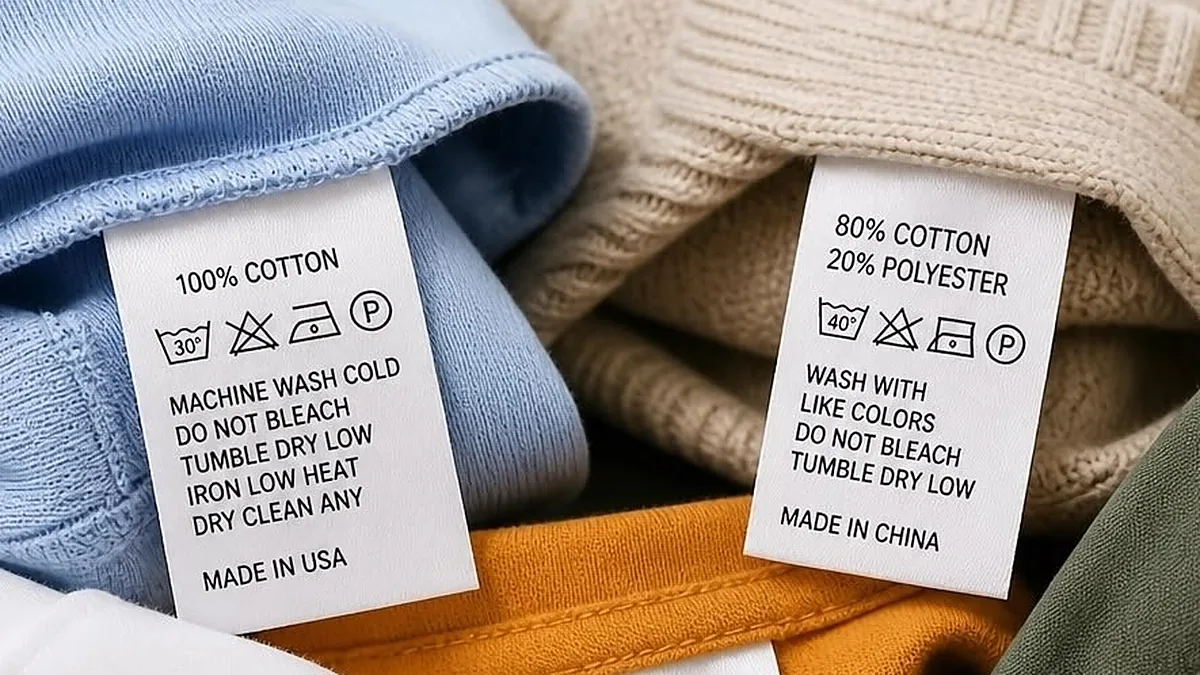
A compliant knitwear label carries five elements (per ISO 3758 / GINETEX or AATCC): wash method → bleach → drying → ironing temperature → professional dry cleaning.
| Material | Wash symbol | Label text | Avoid |
|---|---|---|---|
| Cashmere / merino | Hand wash ≤30°C or dry clean | Hand wash cold, wool detergent, dry flat in shade | Tumble drying, hot water, hanging |
| Cotton / acrylic blend | Gentle machine 30°C | Gentle machine wash cold, inside out in a mesh bag | Bleach, high heat |
| Wool blend with structure | Hand wash ≤30°C | Do not wring, reshape and dry flat | Wringing, direct sun |
Cashmere and merino
Hand-wash tub at max 30°C or dry clean (P); do not bleach; dry flat in shade; iron at low heat (one dot). Text: HAND WASH COLD (30°C OR BELOW) WITH WOOL DETERGENT. DO NOT TUMBLE DRY. DRY FLAT IN SHADE. DO NOT HANG.
Cotton and acrylic blends
Gentle machine wash at 30°C (tub with one bar); tumble dry low or dry flat. Text: GENTLE MACHINE WASH COLD. WASH INSIDE OUT IN A MESH BAG. DO NOT BLEACH.
2. Three things brands must teach customers
Include a Care Card in the box or embed a care guide on the product page, and focus on these three points.
1) Water temperature and detergent
Wool and cashmere carry scales. Water above 30°C, ordinary alkaline detergent with enzymes or bleach, and strong agitation open those scales so they lock together — felting the garment permanently hard and small — see our shrinkage rescue guide. Tell customers: pH-neutral wool detergent, water below 30°C.
2) Never hang — dry flat
A wet sweater is heavy. Hanging it stretches the shoulders into “ghost shoulders” and lengthens the body. Tell customers: never wring; press water out with a towel, dry flat on a net, and keep it out of direct sun.
3) Handling pilling
Light pilling at friction points in the first wears is normal for natural fibres — not a defect. Recommend a sweater shaver or cashmere comb and gentle strokes along the grain.
3. What the factory does to improve washability
A mature factory builds shrink resistance into the garment before it ships.
- Milling and washing: professional milling and softening agents pre-shrink the piece and release the yarn's mechanical tension.
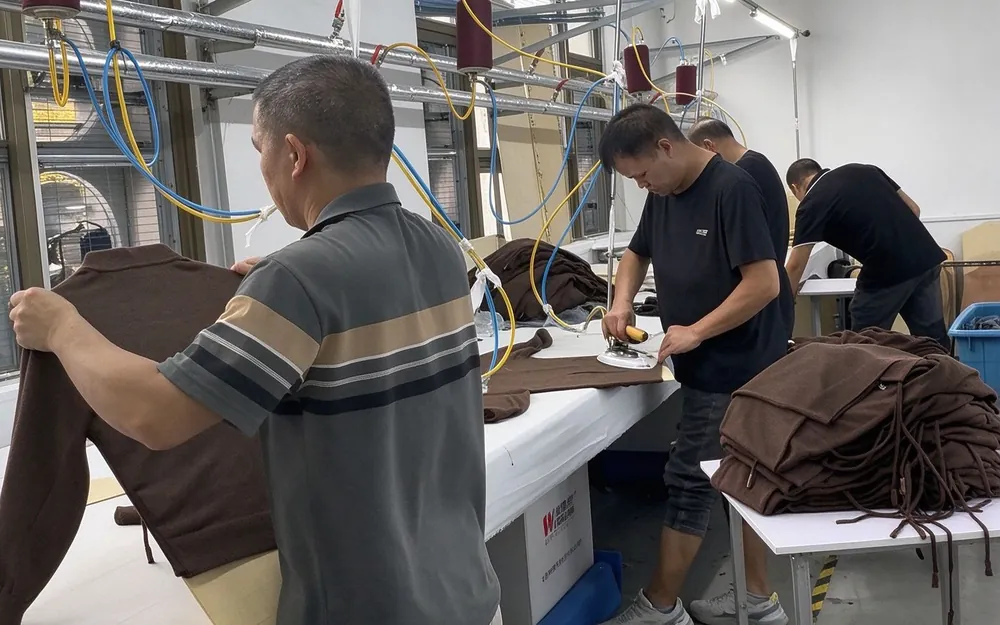
- Steam boarding: pressing on a size board locks body length, chest and sleeve length with steam — typically holding bulk wash shrinkage within ±3%.
- Linking strength: high-tenacity linking thread reinforces shoulders and neckline so they survive dressing and undressing.
4. A returns-reduction checklist
For DTC brands, Shopify stores and cross-border sellers.
- PDP reminder: state “Dry clean or cold hand wash only” next to the buy button so expectations are set before purchase.
- Care Card in the parcel: a printed card, and for premium cashmere a dust bag or cashmere comb.
- Soft care label: use a silky satin or printed tagless label so customers do not cut it out — and then wash the sweater blind.
In summary
Return control is a joint effort: factory QC + compliant labels + customer education. Done well, it cuts returns, signals a professional brand, and lifts repeat purchase and lifetime value.
About Jinya Knitwear
Need a factory that controls wash shrinkage and supports compliant labels? Jinya covers both.
- Washing and shape setting: technicians with 15+ years of experience control the milling recipe and board pressing, with pre-production wash tests to hold shrinkage within ±3%.
- Trim and label support: main label, care label, hangtag and Care Card, sewn to meet EU/US import and labelling standards.
- Full gauge and low MOQ: 1.5GG–16GG machines; stock yarn supports a 50-piece minimum.
- Fast sampling: 3–7 day samples; 100% of the sampling fee refunded on orders of 300+ pieces of the same style.
What must a care label include?
Five elements: wash, bleach, dry, iron and dry-clean, plus temperature and method in text.
Can a wool sweater go in the machine?
Hand wash below 30°C is safest; if machine washing, use the wool cycle with a mesh bag.
Is pilling a defect?
No — light pilling is normal for natural fibres. Treat it with a fabric shaver rather than pulling.
Olivia handles operations content for Jinya, covering knitwear sourcing, product development and garment care — turning the questions buyers ask on the factory floor into practical, checkable guides.
Ms. Liu has run knitting floors for more than 20 years, overseeing yarn routing, machine programming, linking and final QC. She reviews every technical claim published here.