Shedding, Itchiness and Static: Common Sweater Questions
Shedding comes from loose short fibres and low twist, itchiness from fibres thicker than about 28 μm, and static from synthetics with very low moisture regain (polyester ≈0.4%, acrylic ≈1.5% vs wool 15–17%). Specify worsted long-fibre yarn or fibre-set blends, merino under 19.5 μm next to skin, and raise the natural-fibre share. Factory-side, moderate milling plus lint extraction, amino-silicone softener and an antistatic finish solve all three.
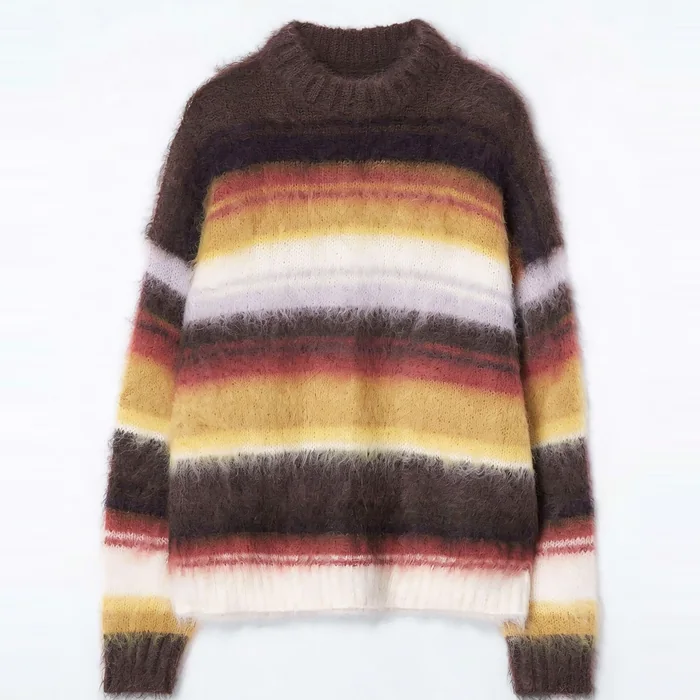
Shedding, prickle and static are not simply “cheap yarn” problems. What causes each one, which fibres to specify, and what the factory can do in washing and finishing.
Beyond pilling and shrinkage, three complaints drive the highest return rates in autumn/winter knitwear: fibres shedding onto coats and inner layers, a prickle that leaves skin red after ten seconds, and static that cracks and lifts hair when you take the sweater off.
These three affect comfort and perceived quality directly. Buyers often assume they all mean “bad material”, but in fact they come from fibre physics, yarn structure, knitting and the finishing wash — often in combination.
1. Shedding
Why it happens: loose short fibres and weak cohesion
Shedding is loose short fibres that were never tightly spun into the yarn, falling out under friction or when the garment is pulled on and off.
- Short fibres: ordinary woollen-spun wool, mohair, rabbit hair and brushed yarns naturally carry a lot of short fibre.
- Low twist: some styles deliberately reduce twist for a lofty, soft hand. The yarn structure is loose, cohesion is weaker and fibres escape easily.
- Over-milling: washing too long or with too much milling agent to “raise a long halo” damages the fibre surface so the surface hairs break and shed.
Fixes: yarn choice and finishing
- Choose worsted long-fibre yarn: combing removes most short fibre, leaving long, parallel, tightly packed fibres with a very low shedding rate.
- For brushed styles, use a fibre-set or blended base (e.g. high-quality nylon core) so the yarn wraps the halo fibres more firmly.
- Factory: strong fibre extraction plus moderate milling — after washing and drying, an industrial lint-extraction pressing step clears surface fluff before packing.
2. Itchiness
Why it happens: fibre diameter and bending stiffness
Consumers assume itchiness means allergy, but textile research shows it is a purely physical stimulus.
- Micron count too high: skin is very sensitive to fibres above about 28 μm. A thick, stiff fibre end standing upright against the skin cannot bend, so it stimulates nerve endings and produces prickle.
- Rough fibre ends: hard, coarse fibres mixed into woollen-spun or low-grade blended yarn.
Fixes: keep the micron count low
- Next-to-skin: superfine merino below 19.5 μm, or cashmere at 14–16 μm — fine enough to bend on contact instead of pricking.
- Value alternatives: combed cotton, silk-cotton blends or soft modified acrylic.
- Factory: add a smoothing and amino-silicone softener in the washing stage so the fibre surface carries a smooth film and feels noticeably softer.
3. Static
Why it happens: dry air and low moisture regain
In dry winter air, charge generated by friction cannot dissipate and accumulates on the garment.
- Very low moisture regain: polyester (about 0.4%) and standard acrylic (about 1.5%) absorb almost no moisture and are the worst offenders.
- By contrast, wool (15–17%), cashmere, cotton and linen absorb moisture well and are naturally antistatic.
Fixes: blend and finishing
- Optimise the blend: avoid 100% low-grade synthetics; blend natural fibres with synthetics, or specify anti-static treated yarns.
- Industrial antistatic finishing: add an antistatic agent in the washing and setting stage to raise surface hydrophilicity so charge dissipates quickly.
4. The three compared
| Pain point | Root cause | Yarn choice | Factory control |
|---|---|---|---|
| Shedding | Loose short fibres, low twist, weak cohesion | Choose worsted long-fibre yarn; avoid very low twist | Avoid over-milling; add industrial lint extraction before packing |
| Itchiness | Fibre diameter above 28 μm, high stiffness | Specify merino below 19.5 μm, cashmere or combed cotton | Add smoothing and amino-silicone softener in washing |
| Static | Very low moisture regain in synthetics; charge builds up | Raise natural-fibre share; use antistatic modified yarn | Add a professional antistatic finishing agent in the wash |
In summary
Shedding, itchiness and static are solvable engineering problems, not bad luck. Yarn choice sets the physical ceiling — fibre length, micron count and moisture regain — while washing and finishing deliver the final hand and performance.
Handle these details during development and you remove the returns and bad reviews at the source.
About Jinya Knitwear
Dealing with shedding, itchiness or static complaints? Jinya controls comfort at the source.
- Washing and finishing: technicians with 15+ years of experience control the milling recipe, with dedicated softening and antistatic finishing for a soft, non-prickly, low-static hand.
- Full gauge & category range: 1.5GG–16GG machines; menswear, womenswear, kidswear plus beanies, scarves and gloves.
- Low MOQ: stock yarn resources support a 50-piece minimum.
- Fast sampling: 3–7 day samples; 100% of the sampling fee refunded on orders of 300+ pieces of the same style.
Can shedding be eliminated completely?
Not entirely — it is a property of natural fibre. Worsted long-fibre yarn, moderate milling and factory lint extraction reduce it to a minimum.
Is itchiness an allergy?
No. It is a physical stimulus from fibre diameter; merino or cashmere below 19.5 μm bends against the skin instead of pricking it.
What is the quickest fix for static?
Raise the natural-fibre share, add an antistatic finish at the factory, and wear a cotton layer underneath at home.
Olivia handles operations content for Jinya, covering knitwear sourcing, product development and garment care — turning the questions buyers ask on the factory floor into practical, checkable guides.
Ms. Liu has run knitting floors for more than 20 years, overseeing yarn routing, machine programming, linking and final QC. She reviews every technical claim published here.