Garment Dye vs. Yarn Dye: Which Costs Less for Low MOQ?
For 50–200 piece runs, yarn dyeing gives the most stable colour and dimensions but carries a small-vat surcharge when the lot is under 30–50 kg. Garment dyeing suits vintage or acid-wash looks, yet shrinkage is hard to control and it cannot do intarsia or colour blocking. The cheapest reliable route is stock yarn: no surcharge, 50-piece MOQ, faster lead time.
Yarn dyeing buys stability, garment dyeing buys a vintage wash look. Where the real costs sit on 50–200 piece runs — and why stock yarn usually wins.
In knitwear development, testing a new colour at the lowest MOQ and the best value is the question every new brand, DTC seller and designer asks first.
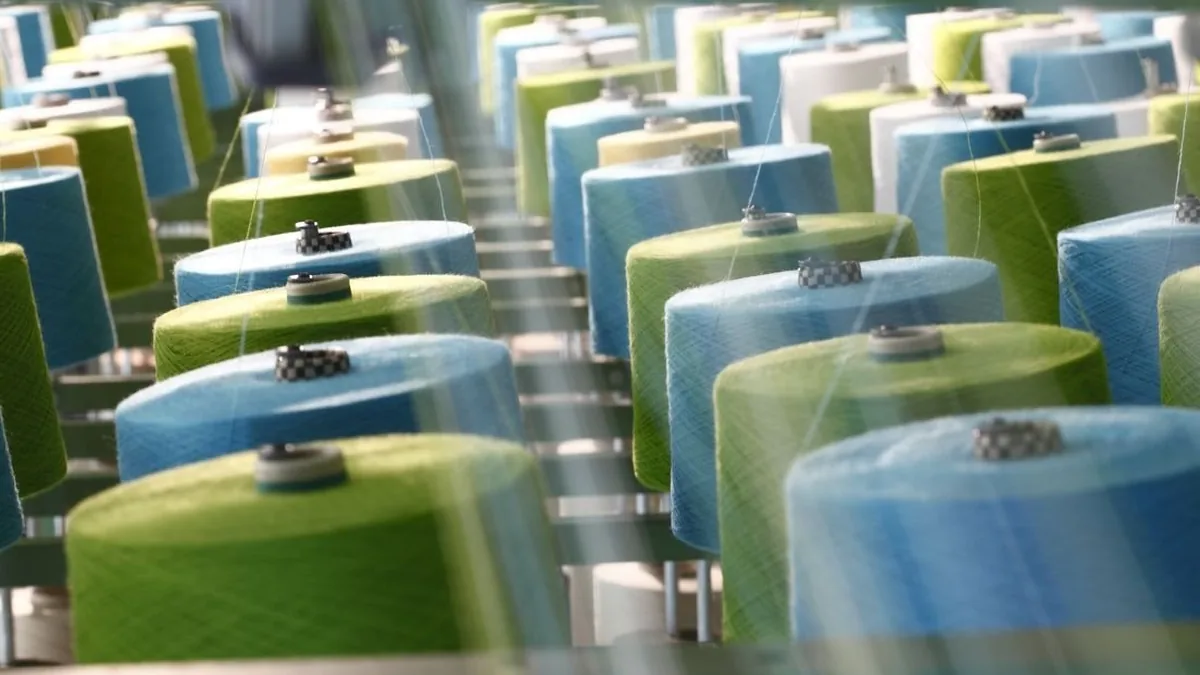
When a brand wants a specific Pantone shade or seasonal colour, factories usually offer two routes: yarn dyeing (dye the yarn first, then knit) or garment dyeing (knit in greige yarn, then dye the finished piece).
A common assumption is that garment dyeing works like dyeing T-shirts — perfect for a few dozen pieces. In knitwear, the cost logic, quality risk and MOQ thresholds are very different. Here is the comparison.
1. Process and low-volume cost comparison
Key indicators on a 50–200 piece order.
| Dimension | Yarn dyeing | Garment dyeing |
|---|---|---|
| Starting form | Yarn (dyed cones) | Knitted garment |
| Dye-lot MOQ | Limited by the mill's small vat — usually 30–50 kg, roughly 60–100 pieces | Industrial wash vat — usually 30–50 pieces per batch |
| Unit cost on small runs | If the lot is underweight, a dyeing surcharge applies | Greige knitting is cheaper, but finishing wash losses run higher |
| Colour fastness & hand-feel | Excellent — even penetration, full and stable hand | A vintage, washed-down look |
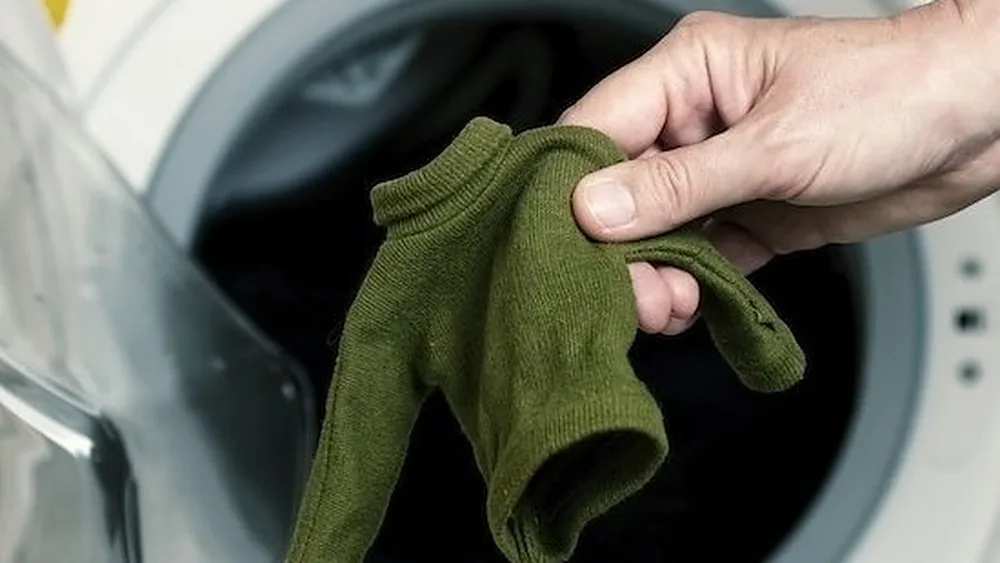
| Size & shrinkage control | Precise and highly consistent batch to batch | Very hard to control — heat and agitation distort the garment |
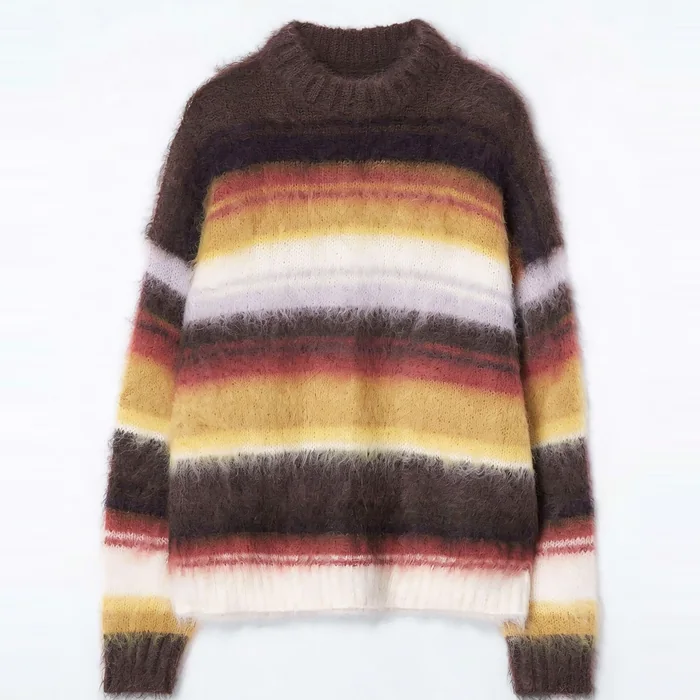
| Pattern limits | Supports intarsia, jacquard and colour-block stripes | Solid colours only — no colour blocking |
2. Cost traps on small runs
1) Yarn dyeing: surcharge vs. stock yarn
If a brand insists on a very specific Pantone shade, the mill's smallest vat is typically 30–50 kg. An order of 30 pieces needs about 13 kg of yarn, but the mill still charges for a full vat — or adds a small-tank surcharge of roughly $100–200. Spread across 30 pieces, the unit cost climbs fast.
The way out: use the factory's stock yarn library. Mature factories keep hundreds of popular shades dyed and ready. No surcharge, MOQ drops to 50 pieces, and you skip the 15–20 day dyeing lead time.
2) Garment dyeing: cheaper on paper, riskier in practice
Garment dyeing is common for wovens and cotton tees, but on knitwear — especially wool, cashmere and fine gauge — it needs great caution.
- Shrinkage and tolerance: after hot tumbling and drying, sleeves, chest and neckline shrink unevenly, pushing measurements out of tolerance and raising the defect rate.
- Seam and trim shade: linking thread must match the garment fibre (e.g. 100% cotton thread on a cotton knit), or the seams show a visible shade difference.
- Design limits: no colour blocking, jacquard or intarsia, and no metal zips or buttons.
- Where it works: vintage/acid-wash styles on coarse cotton or linen knits. For a plain solid colour, garment dyeing is usually not the right call.
3. A decision path for buyers
To keep cost and risk low on a small run, follow this order of questions.
- Need a vintage washed look? → garment dyeing, accepting slight unevenness and tolerance drift.
- No vintage look and no exclusive Pantone shade? → stock yarn: lowest cost, 50-piece MOQ, fastest lead time.
- Exclusive shade with budget for the surcharge? → yarn dyeing: best quality, most stable dimensions.
- Exclusive shade but a tight budget? → pick the closest stock shade for the test run.
In summary
For most 50–200 piece knitwear orders that need stable quality and consistent sizing:
- Yarn dyeing: highest quality, but the small-vat surcharge pushes unit cost up.
- Garment dyeing: only for a specific washed vintage look, with higher dimensional risk.
- Best value: use the factory's stock yarn — no surcharge, better quality control, faster sampling.
About Jinya Knitwear
Worried about dyeing cost and high MOQ on a small test run? Jinya offers flexible stock-yarn and custom dyeing support.
- Large stock yarn library: deep partnerships with major spinners, covering merino, faux cashmere, combed cotton and blends — 50-piece minimum, no small-vat surcharge.
- Dyeing and QC control: technicians with 15+ years of experience manage shrinkage and colour fastness, from plain jersey to complex intarsia and jacquard.
- Full gauge & category range: 1.5GG–16GG machines; menswear, womenswear, kidswear and knit accessories.
- Fast sampling: 3–7 day samples; 100% of the sampling fee refunded on orders of 300+ pieces of the same style.
Is garment dyeing cheaper for small orders?
Not necessarily: greige knitting is cheaper, but wash losses and shrinkage risk often cancel the saving.
Which has better colour fastness?
Yarn dyeing — the yarn is fully penetrated before knitting.
Can garment dyeing do colour blocking?
No, it is solid-colour only.
Olivia handles operations content for Jinya, covering knitwear sourcing, product development and garment care — turning the questions buyers ask on the factory floor into practical, checkable guides.
Ms. Liu has run knitting floors for more than 20 years, overseeing yarn routing, machine programming, linking and final QC. She reviews every technical claim published here.