Spring/Summer Knitwear: Why 14G and 16G Fine Gauge Is Booming
14G–16G packs 14–16 needles into one inch, giving a fabric that is flat like cloth yet still elastic and breathable — the reason fine-gauge knits now sell in spring/summer. Best-sellers are knit polos, sub-150 g air-conditioning cardigans and sleeveless tanks in merino, silk-cotton or ice-silk blends. Budget 2–3× the running time of 7G and use high-count stock yarn such as 2/48 or 2/60 Nm.
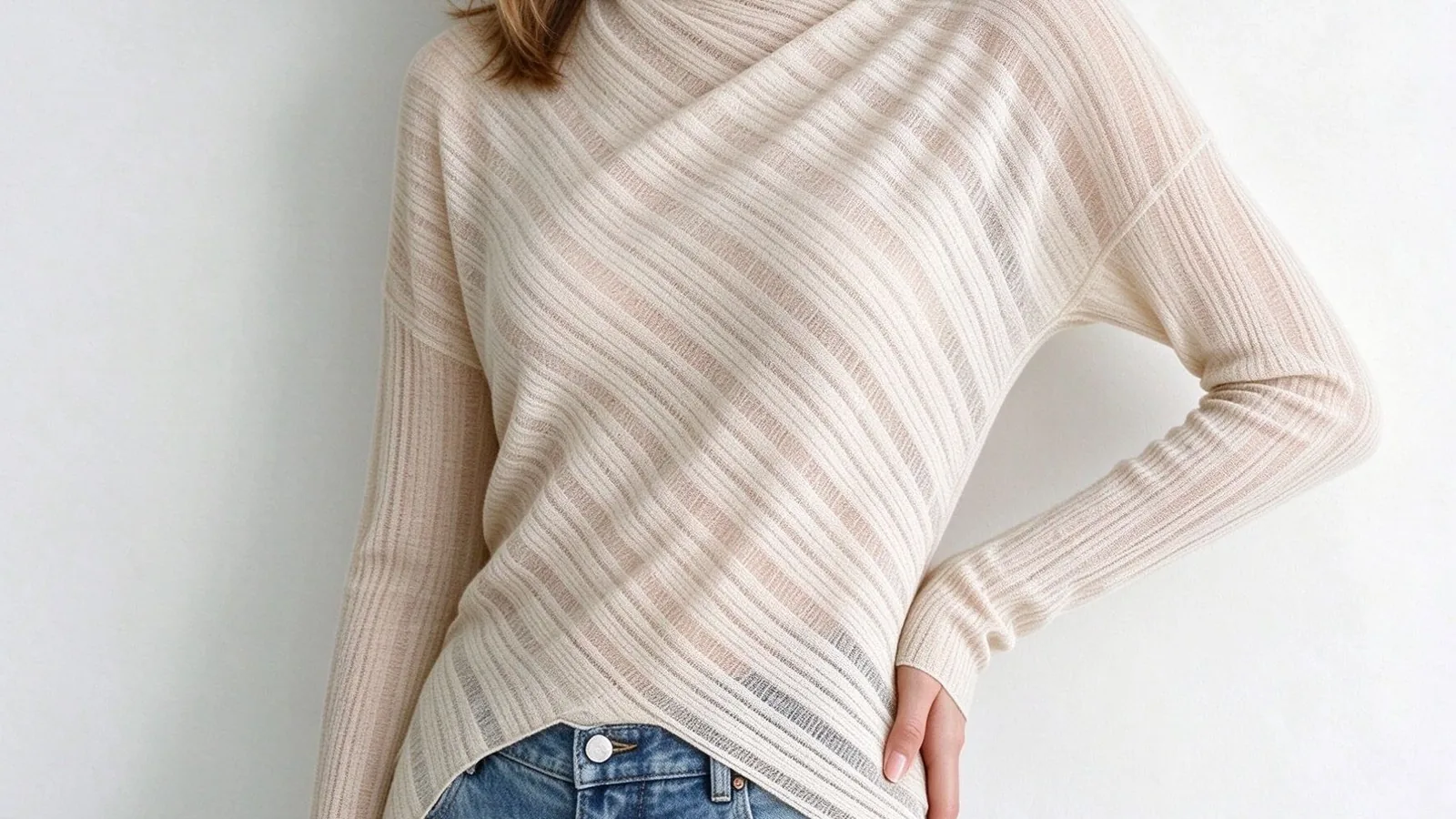
Quiet luxury, air-conditioned offices and better fine yarns have pushed 14G/16G knits into spring/summer. What is driving demand, which styles sell, and what sourcing requires.
Knitwear has long been filed under autumn/winter — warm, heavy, seasonal. But recent seasons tell a different story: knits are crossing the seasonal boundary and becoming a core spring/summer category.
From quiet-luxury houses such as Loro Piana and Brunello Cucinelli to independent designers and high-street labels, 14G and 16G ultra-fine gauge knits are growing fast in spring/summer. Why, and how can brands capture the shift?
1. What is 14G/16G fine gauge knitwear?
Gauge is the number of needles per inch (2.54 cm) on the needle bed.
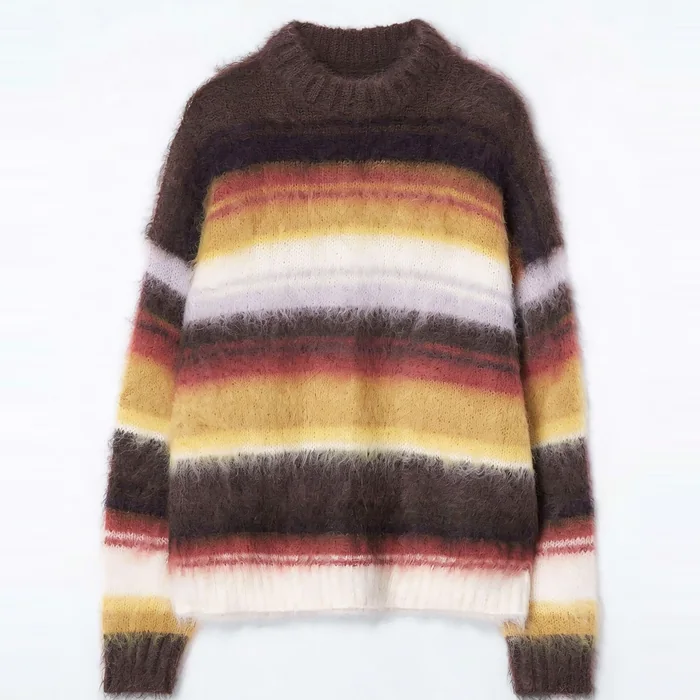
- 3G–7G (coarse/medium): large stitch openings, thicker yarn, built for warm autumn/winter sweaters.
- 14G–16G (ultra-fine): 14–16 needles packed into one inch, demanding high machine precision and strong fine yarns.
- The resulting fabric is flat like cloth, with barely visible needle openings — yet it keeps knit's natural stretch and breathability, plus a light, fluid, skin-friendly drape.
2. Why 14G/16G is surging in spring/summer
1) Quiet luxury and a premium look
As minimalism and old-money style spread, spring/summer shoppers want more than printed tees — they want understated quality. Ordinary cotton tees yellow, soften and collapse; a 14G/16G polo or crewneck has a natural sheen and body, stays flat and instantly lifts the outfit.
2) Temperature swings and air-conditioned interiors
Urban spring/summer life means fluctuating temperatures and strong indoor air conditioning. Fine-gauge knits — cardigans, thin turtlenecks, short-sleeve polos — fold small without creasing and go on and off easily: wind protection without the stuffiness of a winter sweater.
3) Breathable natural fibres
Modern fine-gauge knits no longer rely on coarse wool. They use ultra-fine merino, ice-silk/anti-pilling acrylic, silk-cotton and linen. Worsted wool regulates temperature year-round with far better moisture management than synthetics; silk-cotton and ice-silk feel cool and smooth with no prickle.
3. Three spring/summer styles worth developing
1. Knit polo → 2. AC cardigan → 3. Sleeveless knit tank
| Style | Gauge | Weight | Use case |
|---|---|---|---|
| Knit polo | 14G–16G | 200–280 g | Commuting, business casual |
| AC cardigan | 16G | Under 150 g | Layered over dresses, offices |
| Sleeveless tank | 14G–16G | 120–180 g | Spring/summer layering |
1) Short-sleeve knit polo
Compared with mesh piqué, a 14G/16G knit polo has a flat, natural collar and a slightly tapered rib hem that flatters the body. Target: urban commuters, business-casual men, French retro womenswear.
2) Lightweight crewneck cardigan
Knitted at 16G, a cardigan can weigh under 150 g — a spring/summer hero layered over dresses or sleeveless tops for air-conditioned rooms.
3) Sleeveless knit tank
More stretch and forgiveness than woven tanks, highly breathable — a spring/summer layering bestseller.
4. Sourcing notes for fine-gauge development
- Equipment and machine time: 16G demands high machine precision and experienced programmers. With so many needles, running time can be 2–3× that of a 7G style, so making cost is higher than mid-gauge.
- Fine yarn only: 14G/16G cannot use coarse yarn. It needs high-count yarns such as 2/48 Nm or 2/60 Nm — and dyeing fine yarn to order is expensive on small volumes.
- Stock yarn to break the MOQ barrier: for a first spring/summer run, use the factory's high-count stock yarn, skip the 15-day dyeing cycle, and start at 50 pieces.
In summary
Spring/summer knitwear is not a fad. It reflects a shift toward higher quality, multi-function and trans-seasonal dressing. Combine 14G/16G fine gauge with ice-silk or worsted wool stock yarn and classic polo/cardigan blocks, and a brand can differentiate its spring line and sell knitwear all year.
About Jinya Knitwear
Building a spring/summer fine-gauge line and need high-precision machines plus rich stock yarn? Jinya supports all four seasons.
- Full gauge range 1.5GG–16GG: a complete high-gauge flat-knitting line, set up by technicians with 15+ years of experience, so 14G/16G runs come out flat, crisp and free of dropped stitches.
- Rich spring/summer stock yarn: high-count worsted merino, ice-silk and anti-pilling cotton blends, supporting a 50-piece minimum.
- Full category range: menswear, womenswear, kidswear, plus beanies, scarves and gloves.
- Fast sampling: 3–7 day samples; 100% of the sampling fee refunded on orders of 300+ pieces of the same style.
Why choose 14G/16G for spring/summer?
The fabric is flat and light with a natural body, still breathable and stretchy.
How much longer does 16G take to knit?
Roughly 2–3× the running time of a 7G style.
Which yarns suit fine gauge?
High-count merino, silk-cotton, ice-silk blends and linen.
Olivia handles operations content for Jinya, covering knitwear sourcing, product development and garment care — turning the questions buyers ask on the factory floor into practical, checkable guides.
Ms. Liu has run knitting floors for more than 20 years, overseeing yarn routing, machine programming, linking and final QC. She reviews every technical claim published here.